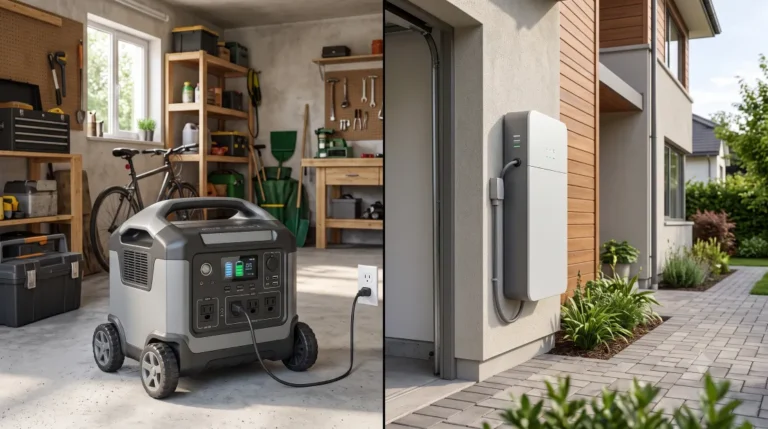
Tesla Powerwall 3 Review: Cost & Is It Worth It?

The Tesla Powerwall 3 is the most talked-about home battery on the market right now, and for good reason: it packs more capacity, a built-in inverter, and faster installation into a single wall-mounted unit than almost anything else available to homeowners. But at a total installed cost that can easily clear five figures, the real question isn’t whether it works — it’s whether it makes financial and practical sense for your specific home. This review breaks down the hardware, real installation costs, backup performance during outages, solar pairing, and the actual payback math so you can decide if it’s worth the investment.
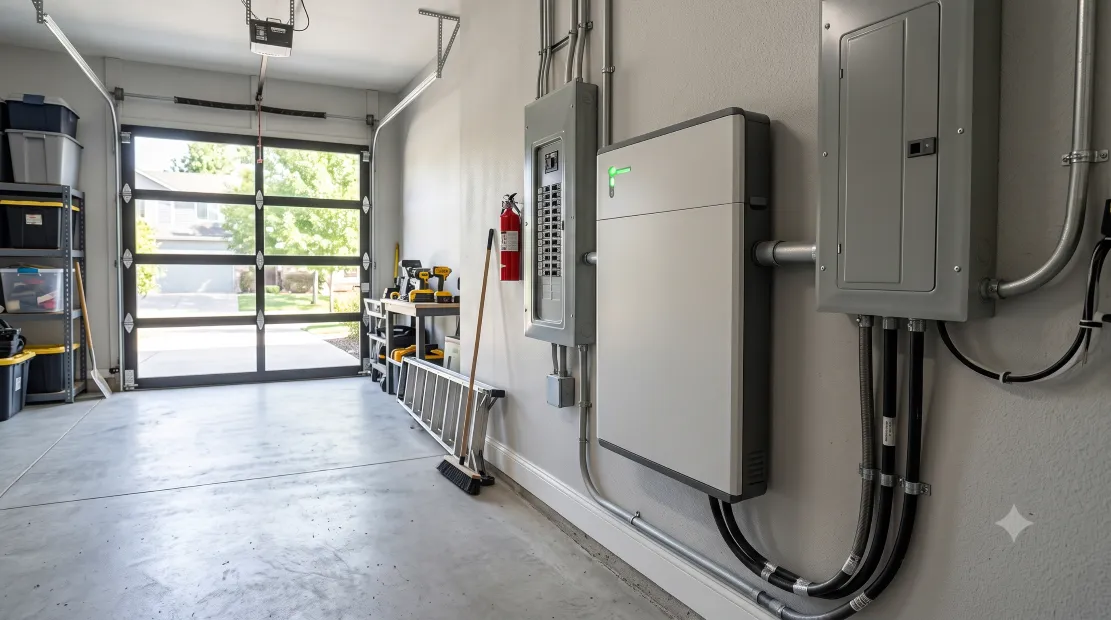
A Tesla Powerwall 3 mounted in a residential garage alongside the main electrical panel.
⚡ Quick Answer
- 13.5 kWh of usable capacity per unit, with an integrated inverter and up to 11.5 kW continuous power output — enough to run most homes’ essential circuits, and often the whole house, during an outage.
- Total installed cost typically ranges from $12,000 to $18,000 for one unit, before incentives, depending on panel work and local labor rates.
- Best fit: homeowners with existing or planned solar, frequent grid outages, or access to strong time-of-use utility rates.
- Payback period varies widely — from under 8 years in high-outage, high-rate regions to well over 15 years in areas with cheap, stable grid power.
What Is the Tesla Powerwall 3?
The Powerwall 3 is Tesla’s third-generation home battery, and the most significant change from earlier versions is the integrated solar inverter built directly into the unit. Previous Powerwall generations required a separate solar inverter alongside the battery; the Powerwall 3 combines both into one wall-mounted box, which simplifies installation, reduces the number of components that can fail, and shortens the typical install timeline. Each unit stores 13.5 kWh of usable energy and can be stacked with additional Powerwalls — up to several units on one system — for homes that need more backup capacity or higher peak power output.
Physically, it’s a large rectangular unit, roughly the size of a compact water heater, designed for wall mounting in a garage, basement, or exterior wall with weatherproofing suitable for outdoor installation in most climates.
Key Specifications
| Spec | Powerwall 3 |
|---|---|
| Usable capacity | 13.5 kWh per unit |
| Continuous power output | Up to 11.5 kW |
| Peak power output | Up to 30 kW momentary |
| Integrated solar inverter | Yes (built-in, up to 20 kW solar input) |
| Expandability | Multiple units can be stacked on one system |
| Warranty | 10 years, unlimited cycles (typical Tesla energy warranty terms) |
| Operating environment | Indoor or outdoor rated, wide temperature range |
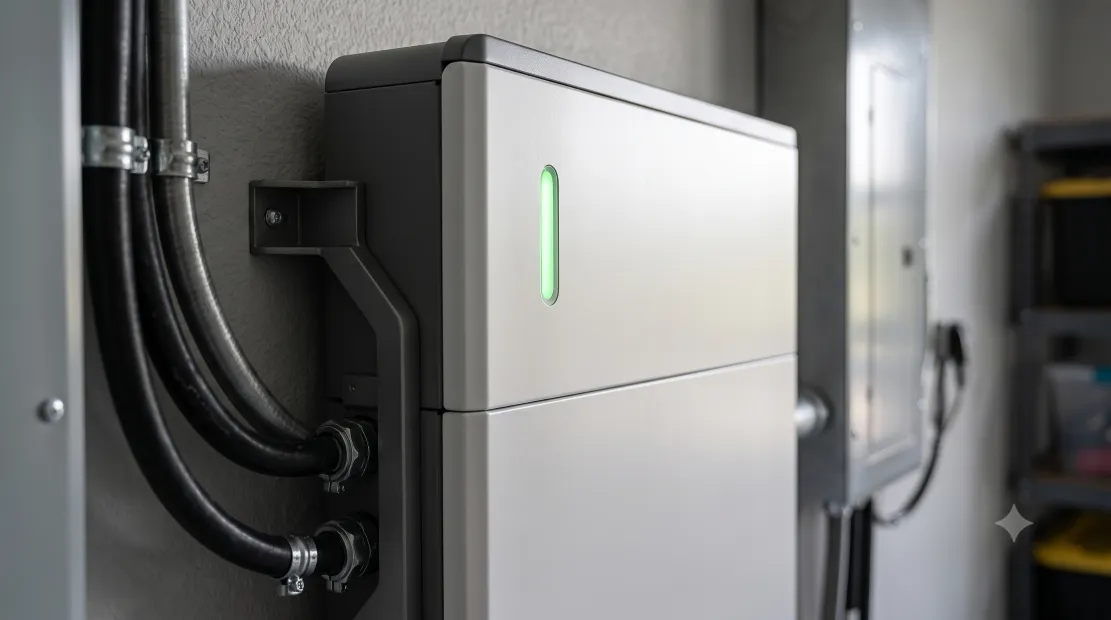
The Powerwall 3’s integrated inverter reduces the number of separate components needed for installation.
Real Installation Costs
Tesla’s published hardware price for a single Powerwall 3 typically sits in the $9,000–$11,000 range before installation, but the number that actually matters is the total installed cost — hardware plus labor, permitting, and any electrical panel upgrades. For most single-unit installations with a straightforward panel and no major electrical work, total installed cost generally lands between $12,000 and $16,000. Homes that need a panel upgrade, a longer conduit run, or additional electrical work to support whole-home backup can push that figure toward $18,000 or higher.
Adding a second or third Powerwall for greater backup capacity typically costs less per additional unit than the first, since permitting, panel work, and some labor overhead are shared across the system rather than duplicated.
| Cost Factor | Typical Range | Notes |
|---|---|---|
| Single Powerwall 3 hardware | $9,000 – $11,000 | Before installation and incentives |
| Standard installation | $2,000 – $4,000 | Straightforward panel, minimal wiring changes |
| Panel upgrade (if needed) | $1,500 – $3,500 | Common in older homes |
| Permits and inspection | $200 – $800 | Varies by municipality |
| Federal tax credit (where eligible) | Up to 30% of total cost | Confirm current eligibility with a tax professional |
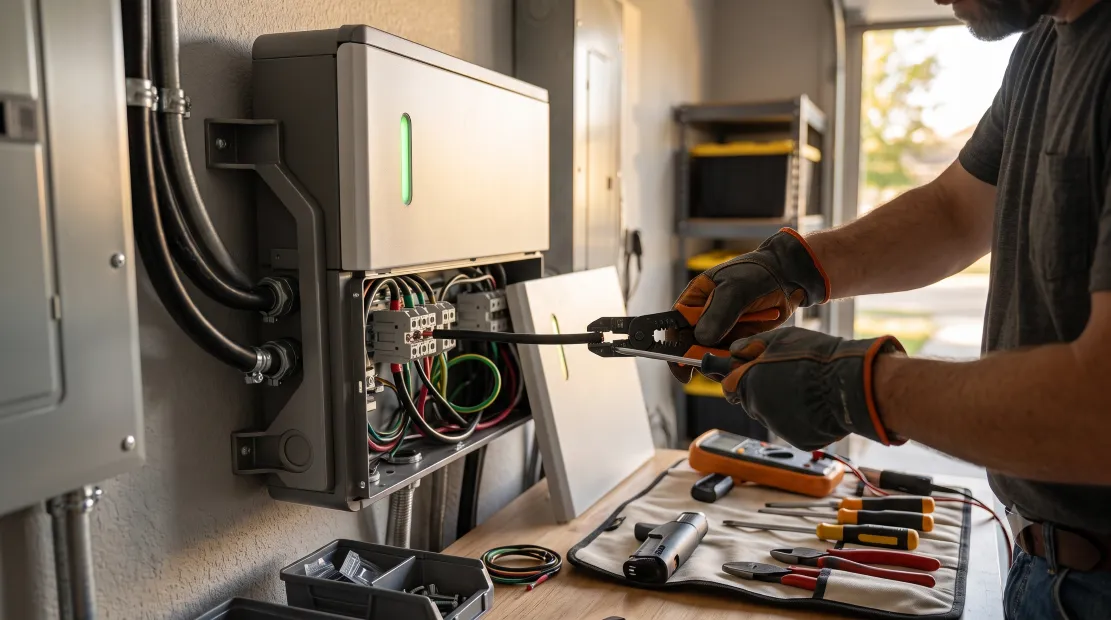
Professional electrical installation is required for any home battery system.
Backup Performance During Outages
A single Powerwall 3 can power most homes’ essential circuits — refrigerator, lighting, WiFi, well pump, and similar loads — for a full day or more depending on usage patterns, and considerably longer if paired with solar panels that continue recharging the battery during daylight hours. Whole-home backup, where every circuit in the house stays powered during an outage, is achievable with a single unit for smaller, energy-efficient homes, but larger homes or those with high-draw appliances like central air conditioning and electric ovens running simultaneously typically need two or more units to avoid tripping the battery’s power limits during an outage.
The transition from grid power to battery backup during an outage is designed to be seamless and automatic, with most Powerwall systems switching over in well under a second — fast enough that sensitive electronics like computers and routers typically don’t even reboot.

Home battery backup keeps essential circuits running automatically during grid outages.
Solar Pairing and Everyday Energy Savings
While backup power during outages is the headline feature, most Powerwall 3 owners use the system daily even when the grid is stable — storing excess solar energy generated during the day and using it in the evening instead of exporting it to the grid at low compensation rates, or drawing from the grid during expensive peak-demand hours. For homeowners on time-of-use utility rate plans, this daily cycling can meaningfully reduce monthly electric bills by shifting consumption away from the most expensive hours of the day.
Without solar panels, a Powerwall 3 can still provide backup power and some rate-arbitrage value by charging from the grid during cheap off-peak hours and discharging during expensive peak hours, though the financial case is generally much stronger when paired with a solar array that provides free daytime charging.
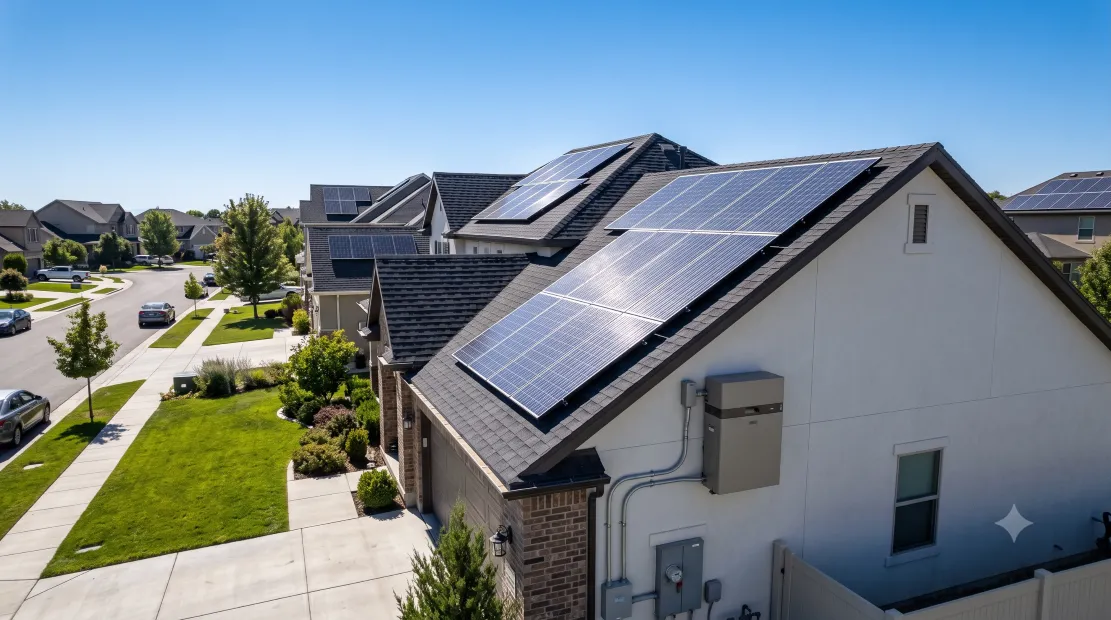
Pairing solar panels with a Powerwall generally offers the strongest financial return.
Payback Period: Is It Actually Worth It?
The honest answer is: it depends heavily on where you live and why you’re buying one. In regions with frequent grid outages, high electricity rates, and strong time-of-use pricing differentials, a well-sized Powerwall system paired with solar can pay for itself in roughly 7 to 10 years through a combination of bill savings and avoided outage-related costs, with 10+ years of useful life remaining after that on the 10-year warranty.
In regions with cheap, stable grid power and infrequent outages, the payback period stretches considerably longer — often 15 years or more — and for those homeowners, the primary value of a Powerwall is less about financial return and more about resilience: the peace of mind of keeping the lights, refrigerator, and medical equipment running during a multi-day outage.
How It Compares to Other Home Batteries
Compared to competing home battery systems, the Powerwall 3’s biggest practical advantage is the integrated inverter, which simplifies installation and reduces the total number of components in the system compared to batteries that require a separate inverter purchased and installed independently. Its 11.5 kW continuous output is also competitive with or ahead of most rivals at a similar capacity point, which matters for homes that want to run higher-draw appliances during an outage without needing multiple units.
The tradeoff is ecosystem lock-in: Powerwall systems are designed to be installed and monitored through Tesla’s own app and installer network, which offers a streamlined experience but less flexibility to mix and match components from different manufacturers compared to some competing battery systems built on more open standards.
Maintenance and Long-Term Lifespan
One of the appeals of a lithium-based home battery system like the Powerwall 3 is minimal ongoing maintenance compared to older backup generator systems — there’s no fuel to store, no oil changes, and no annual engine servicing. Tesla’s monitoring happens automatically through the app, which tracks battery health, charge cycles, and any system alerts remotely, often flagging issues before the homeowner would notice anything wrong. Over a 10-year warranty period, most systems experience some gradual capacity degradation, which is normal for lithium battery chemistry and typically accounted for in the warranty’s performance guarantees.
Physical maintenance is largely limited to keeping the area around the unit clear for ventilation and occasionally checking for any visible damage or unusual sounds, particularly after severe weather if the unit is mounted outdoors. Unlike a gas generator, there’s no need to periodically start the system to keep it “exercised” — the battery is either actively cycling with solar and time-of-use rates, or sitting ready for the next outage.
Financing and Incentive Options
Given the significant upfront cost, most Powerwall installations are financed rather than paid in cash, either through a solar loan bundled with a new solar installation, a home equity line of credit, or financing offered directly through the installer. Monthly loan payments are sometimes structured to be offset partially or fully by projected electricity bill savings, though it’s worth scrutinizing those projections carefully rather than assuming they will fully cover the payment in every billing cycle.
Beyond financing, incentive programs can meaningfully change the effective cost. Federal tax credits have historically covered a significant percentage of total system cost for qualifying installations, and some states, utilities, and municipalities offer additional rebates or performance-based incentives for battery storage, particularly in areas prone to grid instability. Because these programs change over time and vary significantly by location, it’s worth checking current federal, state, and utility-specific incentives directly before finalizing a purchase decision.
Who Should Buy a Tesla Powerwall 3?
The strongest case for a Powerwall 3 exists for homeowners who already have solar panels or are installing them at the same time, live in an area with frequent grid outages or extreme weather, and have access to time-of-use utility rates that reward shifting consumption to off-peak hours. For this group, the combination of backup resilience and genuine bill savings makes the investment easier to justify even at a five-figure installed cost.
For homeowners without solar, in areas with cheap and reliable grid power, and without a strong outage history, a Powerwall is a much harder purchase to justify on financial grounds alone — though some will still choose it purely for the peace of mind of guaranteed backup power, particularly if they work from home, have medical equipment that requires continuous power, or simply want insurance against increasingly common extreme weather events.
Frequently Asked Questions
How long will a Tesla Powerwall 3 last during a power outage?
A single unit typically powers essential circuits like refrigeration, lighting, and WiFi for a full day or more, and considerably longer if paired with solar panels that continue charging the battery during daylight hours. Whole-home backup duration depends heavily on total household energy draw.
Do I need solar panels to install a Powerwall 3?
No, a Powerwall 3 can be installed and used purely for backup power and time-of-use rate arbitrage without solar panels, though the financial payback is generally stronger when paired with solar for free daytime charging.
How many Powerwalls do I need for whole-home backup?
It depends on your home’s size and peak power draw. Smaller, energy-efficient homes can often achieve whole-home backup with a single unit, while larger homes or those with high-draw appliances like central air conditioning typically need two or more units to avoid exceeding the battery’s power limits.
What is the warranty on the Tesla Powerwall 3?
Tesla backs the Powerwall 3 with a 10-year warranty covering unlimited charge cycles under typical terms, though it’s worth confirming the exact warranty details and any usage conditions directly with your installer at the time of purchase.
Is the Tesla Powerwall 3 worth it if my area rarely loses power?
Financially, it’s a harder case to make without frequent outages or strong time-of-use rate incentives — the payback period tends to be longer. Some homeowners in low-outage areas still choose it for long-term resilience against increasingly common extreme weather, but the decision leans more toward peace of mind than pure financial return in that scenario.
ADeeL A.M
ADeeL A.M is a home energy and clean solar power writer with a deep passion for the electrified home. He spends his days researching solar panels, battery backup systems, EV chargers, portable power stations, and smart energy solutions — comparing specs, efficiency ratings, and real-world performance to bring readers the newest, most reliable, and best-value options on the market.
View all articles by ADeeL A.M →