Are Solar Panels Worth It? (Real Numbers)
Solar salespeople love talking about savings; they’re far less eager to walk through the actual math. Whether rooftop solar is worth it for your home isn’t a matter of opinion — it comes down to your upfront cost, your local electricity rate, how much sun your roof actually gets, and how long you plan to stay in the house. This guide walks through the real numbers: typical installed costs, realistic payback periods, what net metering does and doesn’t guarantee, and the specific situations where solar simply doesn’t pencil out, so you can run your own math instead of trusting someone else’s slide deck.
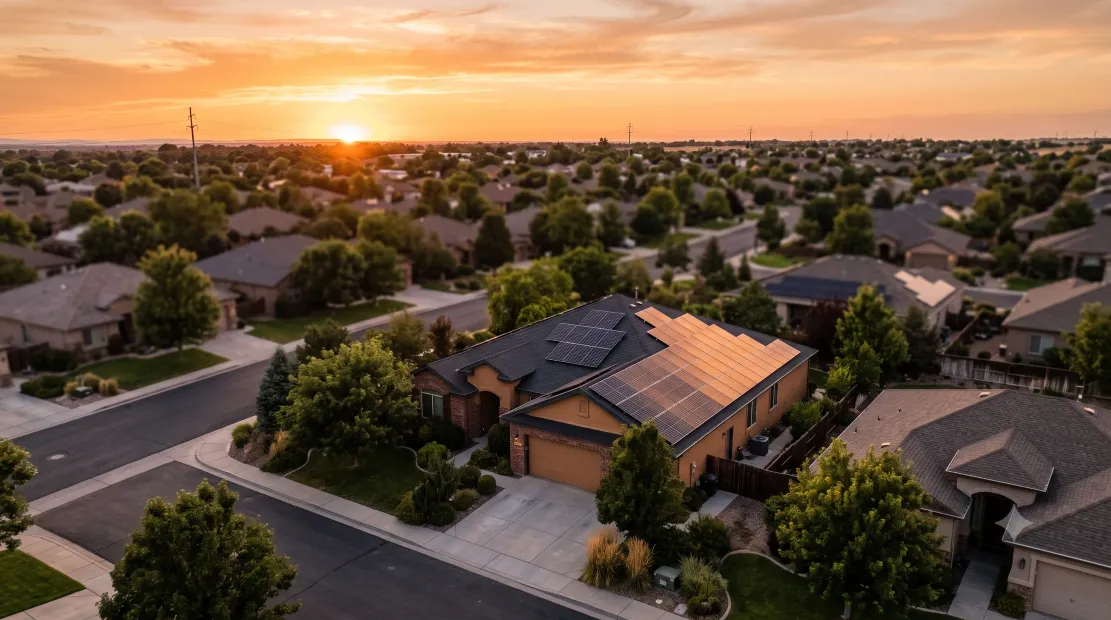
Whether solar pays off depends on math specific to your home, not a universal answer.
⚡ Quick Answer
- Typical payback period: 6 to 12 years for most homes, depending on system cost, local electricity rates, and available incentives.
- Average installed cost: $15,000 to $25,000 before incentives for a typical residential system, before any tax credits are applied.
- Best fit: homeowners with high electricity rates, good sun exposure, and plans to stay in the home for at least 8-10 years.
- Weakest fit: homes with cheap electricity, heavy roof shading, or an expected move within a few years.
The Real Upfront Cost
Before any incentives, a typical residential solar system sized to cover most of an average home’s electricity use runs $15,000 to $25,000, with the exact number depending heavily on system size (measured in kilowatts of capacity), panel quality, and local installer labor rates. Larger homes with higher electricity consumption need bigger systems and pay proportionally more, while smaller, energy-efficient homes can sometimes get meaningful coverage from a smaller, less expensive system. This upfront number is the figure most people fixate on, but it’s only half the equation — the other half is how much that system actually saves you over time, and how quickly those savings offset the initial cost.
How the Payback Period Actually Works
Payback period is simply the number of years it takes for your cumulative electricity bill savings to equal your net installed cost (after incentives). If a system costs $18,000 after tax credits and saves you $2,000 a year on electricity, the simple payback period is 9 years. After that point, the system is effectively generating pure savings for the remainder of its 25+ year expected lifespan, which is where the real financial upside of solar shows up.
The two variables that move this number more than anything else are your local electricity rate and how much sun your roof receives. A home in a region with expensive electricity and excellent sun exposure can see payback periods under 7 years. A home with cheap electricity or a heavily shaded roof can see payback periods stretch past 15 years — and in some cases, never fully pay back within the system’s useful life.
| Scenario | Typical Payback Period |
|---|---|
| High electricity rate + strong sun exposure | 5 – 8 years |
| Moderate electricity rate + good sun exposure | 8 – 12 years |
| Low electricity rate + good sun exposure | 12 – 18 years |
| Any rate + significant roof shading | 15+ years, sometimes never |
Incentives That Change the Math
Federal tax credits have historically covered a significant percentage of total solar installation cost for qualifying homeowners, and many states, utilities, and municipalities layer additional rebates or performance incentives on top. These programs can meaningfully shorten payback periods — sometimes by several years — but they change over time and vary significantly by location, so the only reliable way to know what applies to your specific situation is to check current program details before finalizing your cost assumptions. Don’t let an installer’s quoted “savings after incentives” number go unverified; confirm eligibility yourself.
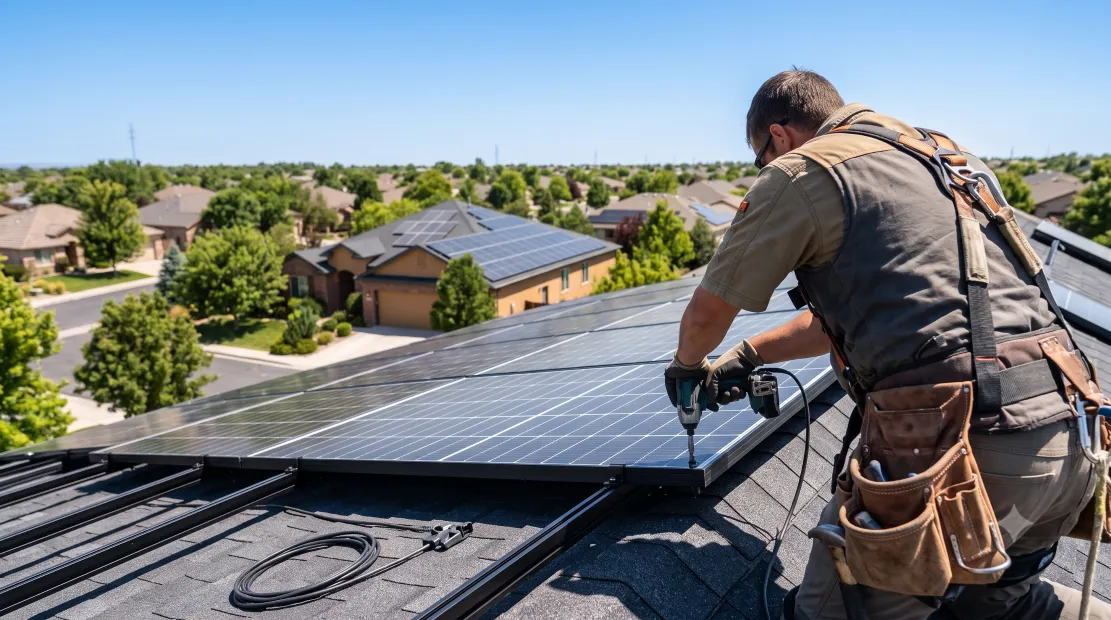
Installation cost varies significantly based on system size, roof complexity, and local labor rates.
Net Metering: What It Actually Guarantees
Net metering is the billing arrangement that lets you send excess solar production back to the grid in exchange for credit, typically used to offset electricity you draw from the grid at night or on cloudy days. The value of net metering depends entirely on your utility’s specific policy — some utilities credit exported solar at close to the full retail electricity rate, which is highly favorable to solar owners, while others credit at a much lower wholesale rate, which significantly reduces the value of any excess production beyond what you use directly.
This is a policy detail that can change over time and varies enormously by utility and region, so it’s worth understanding your specific utility’s current net metering terms — not a generic description of how net metering “usually” works — before assuming a certain level of savings from excess production.
Cash Purchase vs Loan vs Lease
How you pay for solar changes the financial picture substantially. A cash purchase delivers the best long-term return since there’s no interest cost eating into savings, but it requires the full upfront capital. A solar loan spreads the cost over time with interest, and the loan payment is sometimes structured to be roughly offset by electricity bill savings — though it’s worth scrutinizing that assumption rather than accepting it at face value, since payment schedules and savings don’t always align month to month.
A solar lease or power purchase agreement (PPA) requires little to no upfront cost and can offer some savings from day one, but you don’t own the system, generally don’t qualify for tax credits or incentives yourself, and the arrangement can complicate a future home sale since the lease typically needs to transfer to the new owner or be paid off. Of the three paths, cash and loan purchases generally deliver meaningfully better long-term financial value than a lease, assuming you plan to stay in the home long enough to benefit.
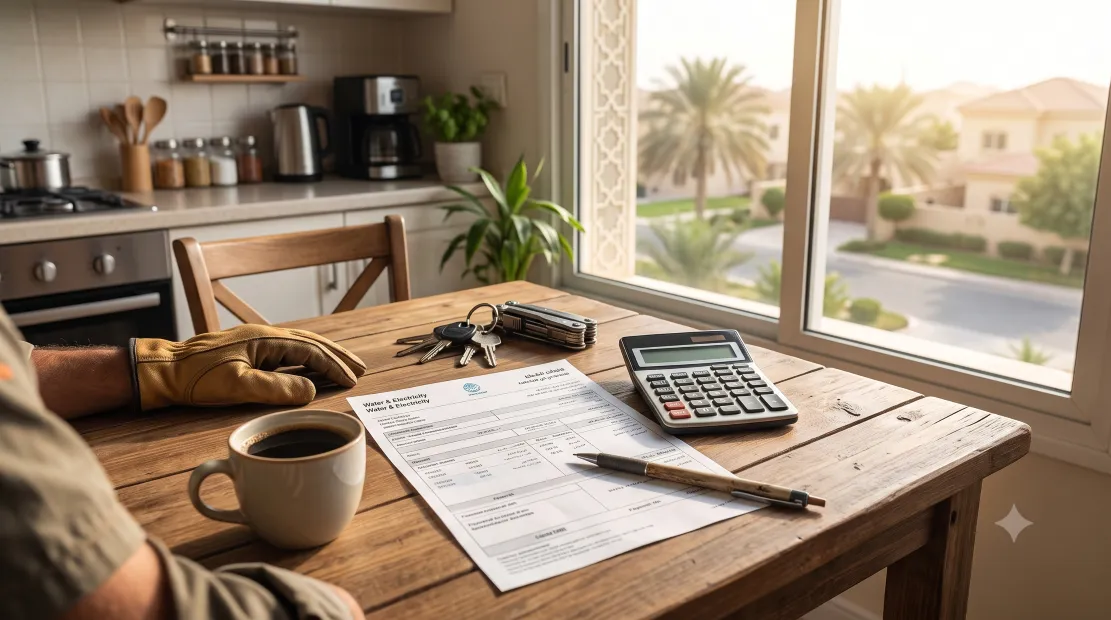
Your actual electricity bill, not an installer’s estimate, should anchor your savings calculation.
Maintenance and Long-Term Costs
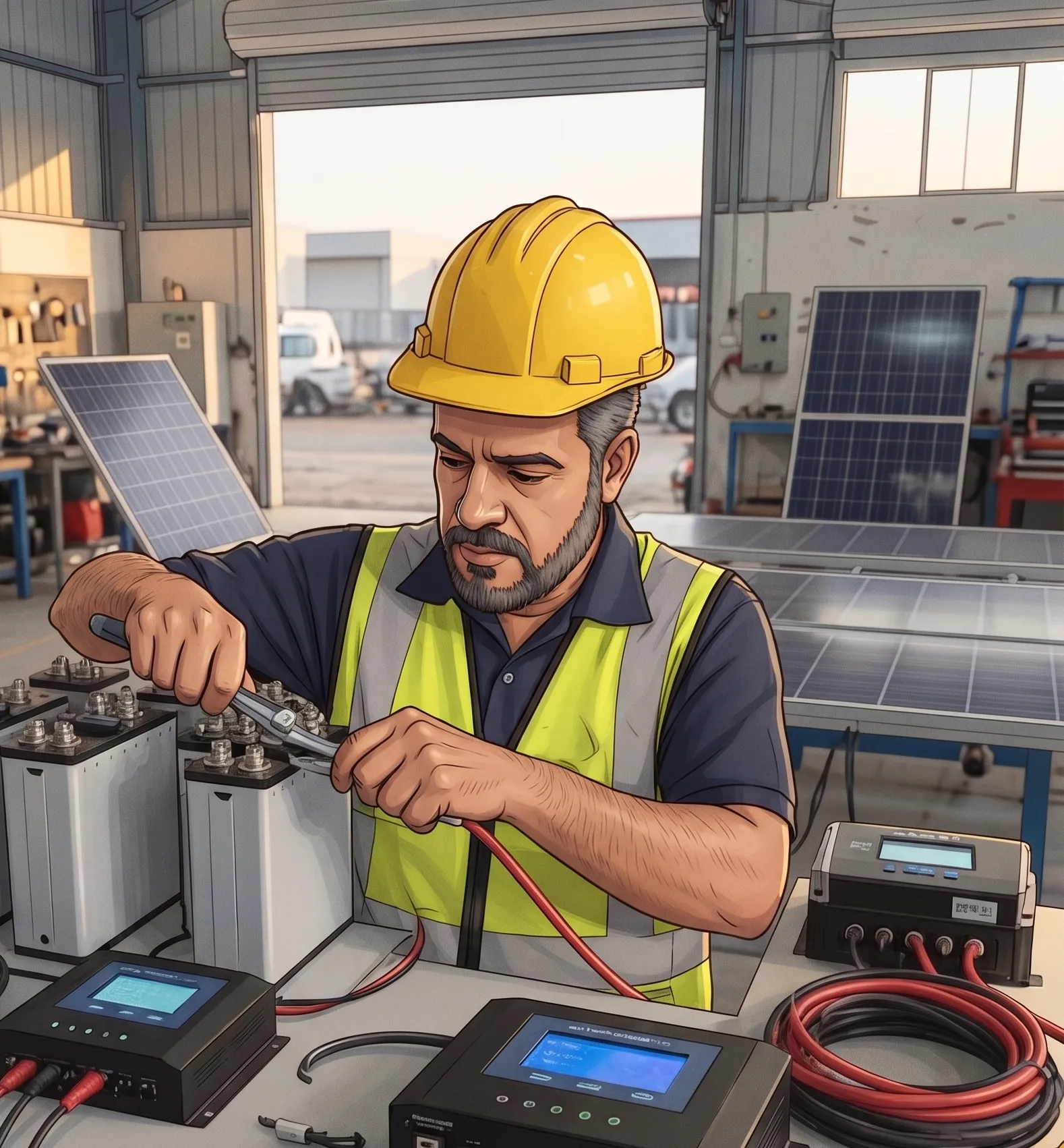
Solar panels themselves require minimal maintenance — most manufacturers warranty panel output for 25 years, and physical maintenance is largely limited to occasional cleaning in dusty climates and periodic visual inspection after severe weather. The component more likely to need attention is the inverter, which converts the panels’ DC output to usable AC power; string inverters typically last 10-15 years and may need replacement once during a system’s 25+ year lifespan, while microinverters distributed across individual panels tend to have longer warranties but higher replacement cost if one fails. Factoring in one inverter replacement over the system’s lifespan is a reasonable and often overlooked part of an honest long-term cost calculation.
Does Solar Increase Home Value?
Owned (not leased) solar systems have generally been associated with a modest home value increase in many markets, particularly as buyer awareness of energy costs has grown. The effect varies by region and buyer pool — markets with high electricity rates and strong environmental awareness tend to see a more pronounced value bump than markets with cheap power and less buyer interest in solar specifically. A leased system, by contrast, can sometimes complicate a sale rather than add value, since the new buyer needs to qualify for and agree to take over the lease.
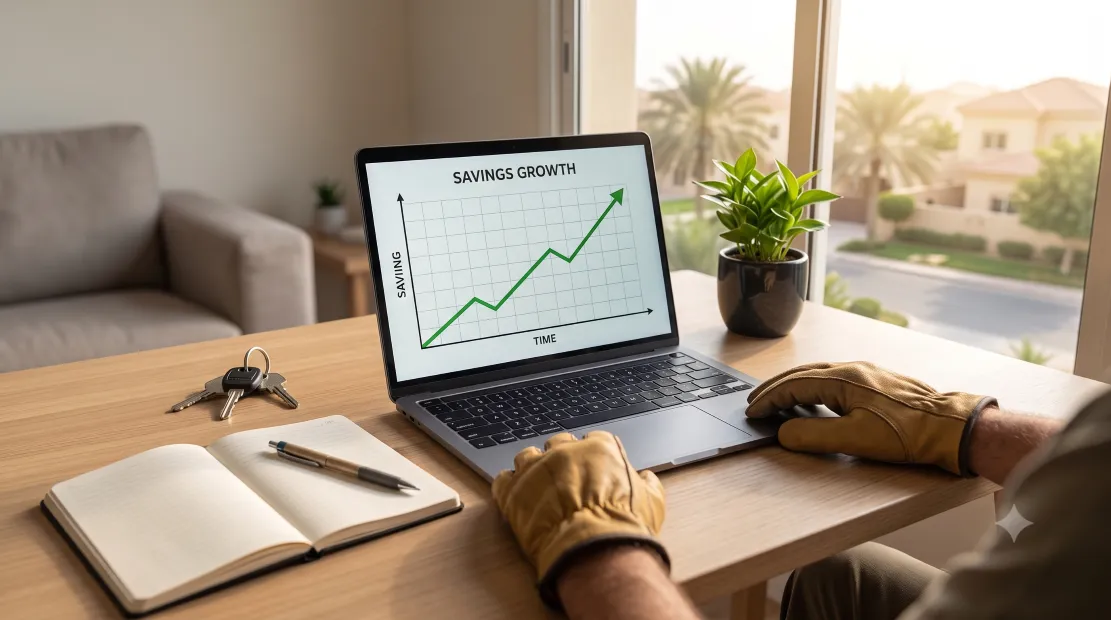
Running your own payback calculation with real numbers beats trusting a generic sales estimate.
When Solar Genuinely Isn’t Worth It
Solar isn’t universally the right financial choice, and it’s worth being honest about the scenarios where it doesn’t make sense. A heavily shaded roof — from mature trees or neighboring structures — can reduce production enough that payback stretches well beyond a reasonable timeframe, and no amount of incentive stacking fixes a fundamentally poor solar resource. Homes in regions with very cheap electricity rates see proportionally smaller savings per kilowatt-hour produced, which can push payback periods past what most homeowners consider reasonable. And homeowners planning to sell within just a few years may not stay long enough to recoup the upfront cost, particularly with a leased system that doesn’t transfer cleanly to a new owner.
Battery Storage: Worth Adding?
Pairing solar with a home battery adds meaningful upfront cost but changes what solar can do for you — storing excess daytime production for evening use instead of exporting it at whatever rate your utility offers, and providing backup power during outages that solar panels alone cannot deliver once the grid goes down (most grid-tied solar systems automatically shut off during an outage for safety reasons unless paired with battery storage specifically designed for backup). Whether battery storage improves your financial payback depends heavily on your net metering terms — in regions with poor export compensation, storing power for your own evening use can be more valuable than exporting it, while in regions with generous net metering, the financial case for adding a battery purely for savings (versus backup resilience) is weaker.
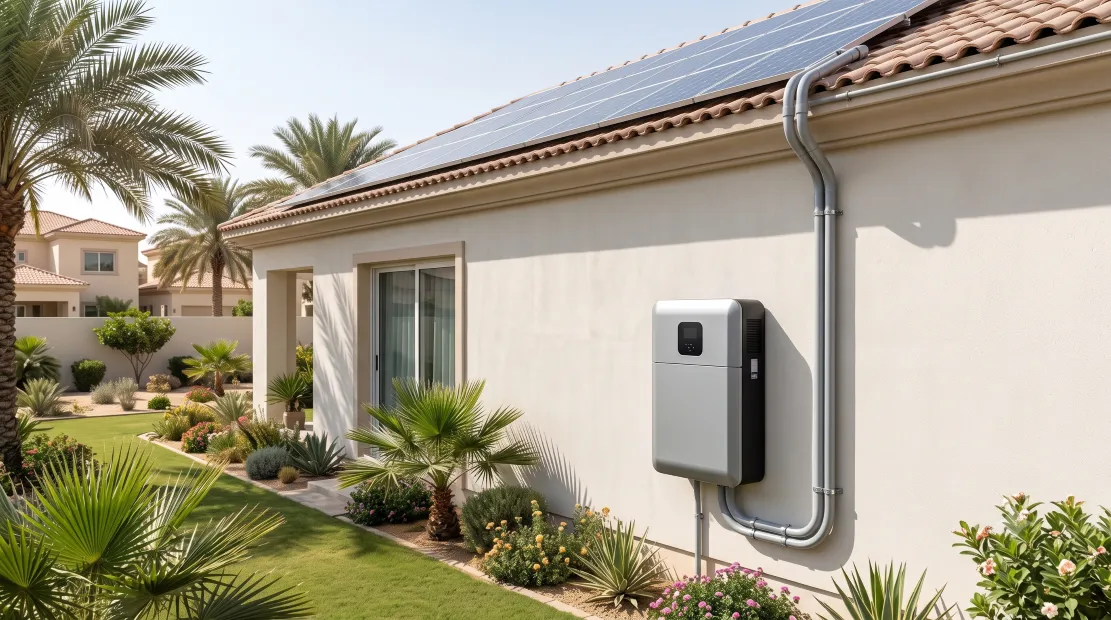
Battery storage adds cost but can improve the value of solar depending on local net metering terms.
Running Your Own Numbers
The most reliable way to answer “is solar worth it for me” is a simple calculation using your own real figures rather than an installer’s projection: take your actual net installed cost after confirmed incentives, divide by your realistic annual savings estimate (based on your actual electricity usage, local rate, and your roof’s actual sun exposure — not a generic regional average), and that gives you your real payback period. Compare that number to how many years you realistically expect to stay in the home, and you have an honest answer specific to your situation rather than a marketing claim.
Which Situation Are You In?
If you have high electricity rates, good sun exposure, plan to stay in your home for at least 8-10 years, and can pay cash or secure reasonable loan terms, solar is very likely a sound financial decision with a payback period well within the system’s useful life. If you have cheap electricity, significant roof shading, or expect to move soon, the financial case weakens considerably, and it’s worth running the specific numbers before committing rather than assuming solar is automatically worthwhile. For everyone in between, the honest answer is genuinely “it depends” — which is exactly why running your own numbers with real data matters more than any general rule of thumb.
Frequently Asked Questions
What is the average payback period for solar panels?
Most homes see payback periods between 6 and 12 years, depending heavily on local electricity rates, sun exposure, and available incentives. Homes with cheap electricity or significant shading can see payback periods stretch well beyond that range.
Do solar panels really increase home value?
Owned solar systems have generally been associated with a modest home value increase in many markets, particularly where electricity rates are high and buyer awareness of energy costs is strong. Leased systems can sometimes complicate rather than help a home sale.
Is it better to buy or lease solar panels?
Buying, whether with cash or a loan, generally delivers better long-term financial value since you keep the tax credits and full savings. Leasing requires less upfront cost but generally produces weaker long-term returns and can complicate a future home sale.
Do I need a battery with my solar system?
Not necessarily. A battery isn’t required for solar to save money on electricity bills, but it adds backup power during outages and can improve financial value in regions with less favorable net metering compensation for exported solar power.
How much shade is too much for solar panels?
Even partial shading on a portion of a solar array during peak sun hours can meaningfully reduce total production, since shading on even one panel can affect an entire string’s output depending on the system design. A professional site assessment measuring actual sun exposure is the most reliable way to know if your roof is a good candidate.
ADeeL A.M
ADeeL A.M is a home energy and clean solar power writer with a deep passion for the electrified home. He spends his days researching solar panels, battery backup systems, EV chargers, portable power stations, and smart energy solutions — comparing specs, efficiency ratings, and real-world performance to bring readers the newest, most reliable, and best-value options on the market.
View all articles by ADeeL A.M →