EcoFlow vs Bluetti: Which Portable Power Station Wins?

EcoFlow and Bluetti are the two biggest names in portable power, and choosing between them is one of the hardest decisions a first-time buyer faces. Both make reliable lithium-iron-phosphate (LiFePO4) units, both scale from pocket-sized banks to whole-home backup, and both have loyal followings. This in-depth comparison breaks down battery life, charging speed, power output, app features, design, and price so you can decide which portable power station fits your home, your budget, and the way you actually use backup power.
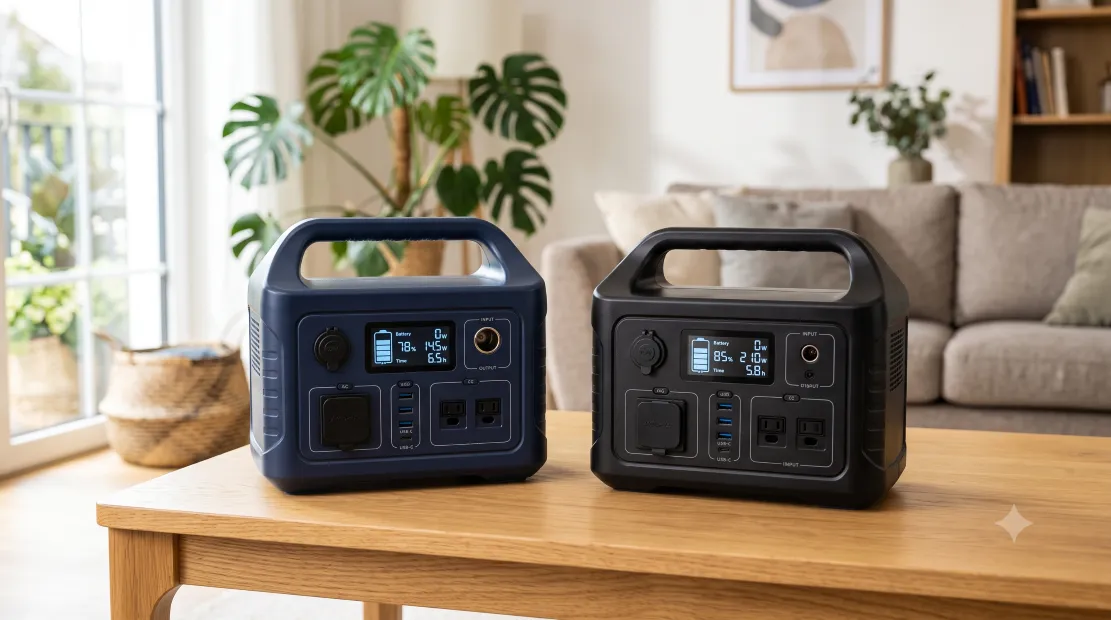
EcoFlow and Bluetti go head-to-head across every category that matters.
Quick Verdict
Choose EcoFlow if you value the fastest wall charging, the widest port selection, and the most polished app. Choose Bluetti if you want stronger value for the money, excellent solar input, and clean, living-room-friendly design. For most households, it comes down to fast charging (EcoFlow) versus price-per-watt-hour (Bluetti).
EcoFlow vs Bluetti at a Glance
Before we dig into the details, here is a side-by-side look at how the two brands compare across the dimensions that influence a real buying decision. Keep in mind that each company sells a wide range of models, so the points below describe the general character of each brand rather than a single product.
| Category | EcoFlow | Bluetti |
|---|---|---|
| Battery chemistry | Predominantly LiFePO4 (3,000+ cycles) | Predominantly LiFePO4, a few NMC models |
| Popular flagship | Delta 3 Plus, Delta Pro 3 | Elite 200 V2, EnergyPro 13K |
| Wall charging speed | Industry-leading (X-Stream) | Fast, slightly behind EcoFlow |
| Solar input | Strong | Excellent (high solar acceptance) |
| App & software | Best-in-class | Good, improving steadily |
| Design | Rugged, functional | Minimalist, living-room friendly |
| Value for money | Premium pricing | Strong price-per-Wh |
| Best for | Fast top-ups, heavy device use | Budget buyers, solar setups |
Brand Background: Who Are EcoFlow and Bluetti?
Both brands rose to prominence over the last few years as portable power moved from a niche camping accessory to a mainstream home-backup category. Understanding where each company puts its engineering focus helps explain the differences you will feel in daily use.
EcoFlow
EcoFlow built its reputation on speed and breadth. Its X-Stream charging technology can refill many of its units to 80 percent in under an hour from a standard wall outlet, which is a genuine advantage when a storm is approaching and you need power topped up fast. EcoFlow units also tend to carry an unusually generous spread of output ports, so you can run laptops, phones, a fridge, and AC appliances simultaneously without adapters. The Delta family covers mid-size needs, while the Delta Pro 3 pushes into expandable whole-home backup territory.
Bluetti
Bluetti competes on value and versatility. For a similar capacity, Bluetti models frequently undercut EcoFlow on price, and the company has leaned hard into solar, with many units accepting very high solar input for fast off-grid recharging. Bluetti has also earned praise for design restraint: models such as the Elite 200 V2 look at home in a living room rather than a garage, and that unit has become one of the highest-rated power stations among owners. For whole-home ambitions, the Bluetti EnergyPro line bridges the gap between a portable unit and a permanent battery wall.

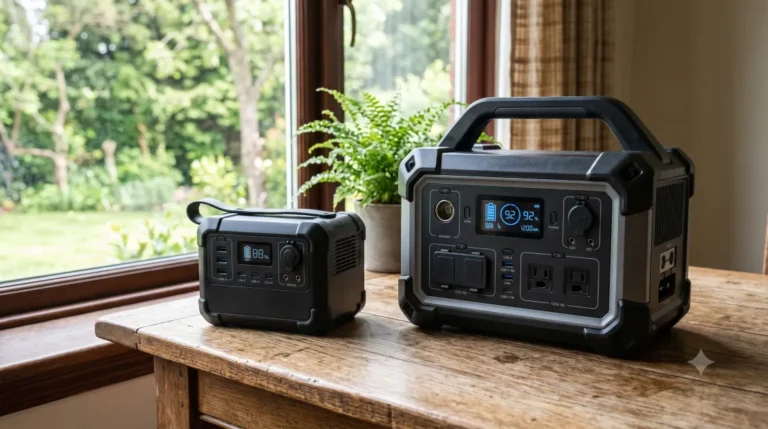
Battery chemistry is the single biggest factor in how long your unit will last.
Battery Technology and Lifespan
The most important spec in any portable power station is the battery chemistry, because it determines how many years the unit will last. Both EcoFlow and Bluetti have largely standardized on lithium-iron-phosphate (LiFePO4) cells, which are the gold standard for home power. LiFePO4 batteries typically deliver 3,000 or more charge cycles, run cooler, and resist the kind of thermal runaway that older lithium chemistries were prone to.
In practical terms, a LiFePO4 unit cycled regularly can last roughly ten years or more before it drops to 80 percent of its original capacity. That longevity is why both brands have moved away from the older NMC chemistry for most of their lineups, although a handful of Bluetti models still use NMC where lighter weight matters more than maximum lifespan. As a rule, if long-term home backup is your goal, confirm the specific model you are eyeing uses LiFePO4 regardless of which brand you choose.
Tip: Don’t just compare watt-hours. A LiFePO4 unit with slightly less capacity but 3,000+ cycles will outlast and out-value a higher-capacity NMC unit rated for only 500 cycles.
Charging Speed: EcoFlow’s Headline Advantage
This is where EcoFlow has historically pulled ahead. Its X-Stream charging can bring many units to a usable charge in well under two hours, and to 80 percent remarkably quickly. If you live somewhere with frequent short outages or you simply want to grab a fully charged unit before heading out, that speed is genuinely useful.
Bluetti is no slouch here, and its newer models charge fast enough that the gap has narrowed considerably. The practical question is how you charge. If you mostly recharge overnight or from solar, charging speed barely matters and Bluetti’s other strengths come to the fore. If you frequently need rapid top-ups from the wall, EcoFlow keeps the edge.
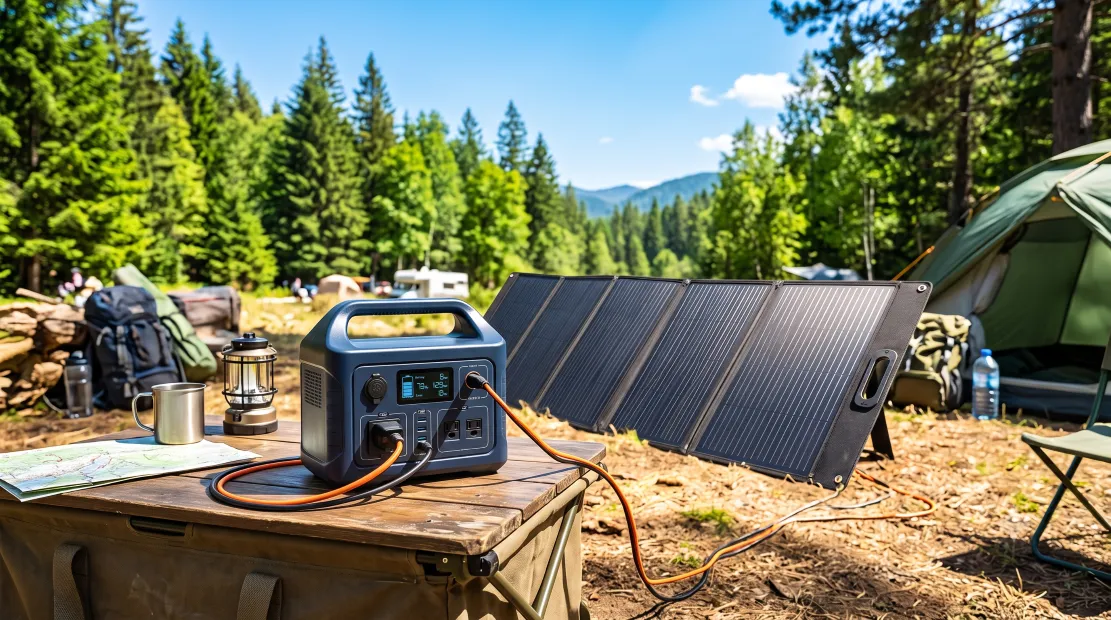
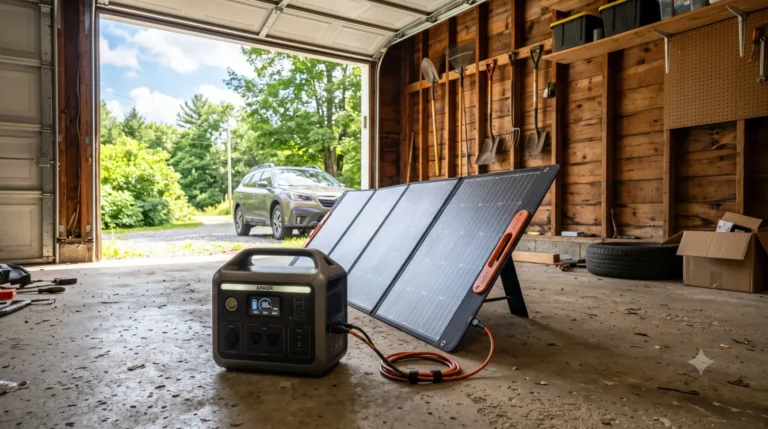
Both brands recharge from wall, car, and solar — but Bluetti shines on solar input.
Power Output and Capacity
Output (measured in watts) determines what you can run at once, while capacity (measured in watt-hours) determines how long you can run it. A mid-size unit in the 1,000Wh range with around 1,500 to 2,400 watts of output can comfortably power a refrigerator, lights, phone and laptop chargers, Wi-Fi, and a CPAP machine through an overnight outage.
Both brands offer everything from compact 300Wh units up to multi-kilowatt-hour systems. EcoFlow’s Delta Pro 3 and Bluetti’s EnergyPro line both expand to tens of kilowatt-hours, enough for genuine whole-home backup when paired with additional batteries. For high-surge appliances such as a portable air conditioner or a microwave, check both the continuous output and the surge (peak) rating, because a unit that survives the start-up spike of a motor is worth more than one with a slightly higher capacity but a weaker inverter.
Portability and Design
Portability is a balancing act: more capacity means more weight. A 1,000Wh unit from either brand typically weighs in the 20 to 30 pound range, which is luggable but not light. Whole-home units can exceed 100 pounds and usually ship with wheels and a telescoping handle.
Where the two brands diverge is aesthetics. EcoFlow leans rugged and functional, which suits a garage, job site, or campsite. Bluetti has invested in cleaner, more minimalist enclosures that owners are comfortable leaving out in a living room. If your power station will live indoors as an always-ready backup rather than being stowed in a closet, Bluetti’s design language may appeal more.
App and Smart Features
Modern power stations are as much about software as hardware. Both brands offer apps that let you monitor charge level, set charging schedules, control output remotely, and receive alerts. EcoFlow’s app is widely regarded as the most polished and reliable in the category, with granular control and stable connectivity. Bluetti’s app is solid and has improved steadily, though some users still find EcoFlow’s experience smoother.
For most buyers, app quality is a tie-breaker rather than a deal-breaker. But if you plan to integrate the unit into a broader smart-home routine, set time-of-use charging to save on electricity, or manage backup from your phone, EcoFlow’s software maturity is a meaningful plus.
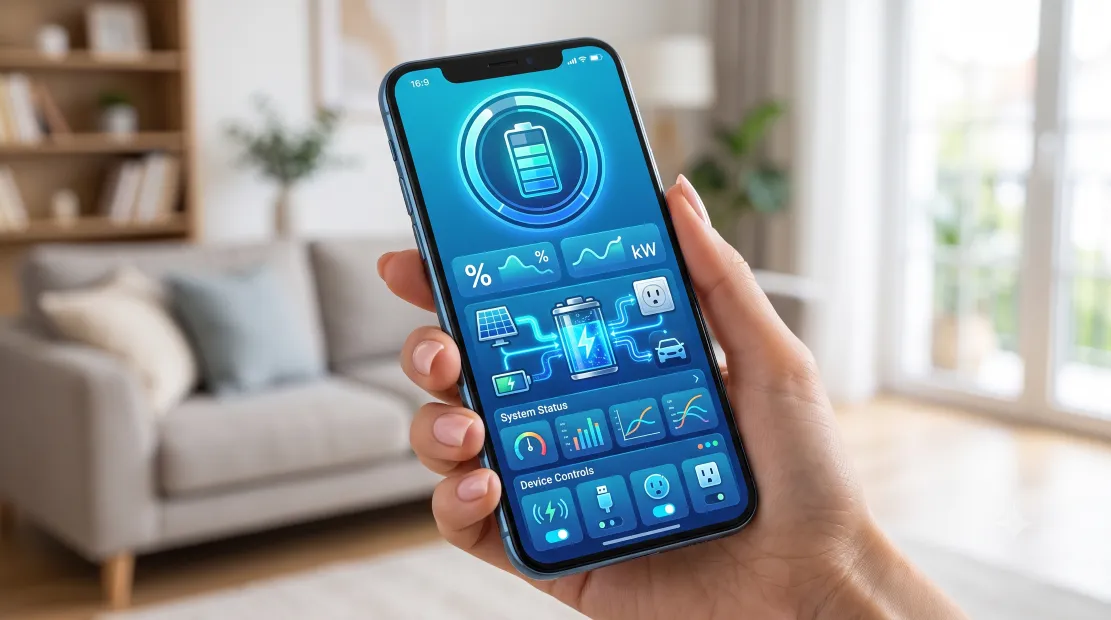
App control lets you monitor charge, schedule recharging, and manage output from anywhere.
Price and Value
Pricing is Bluetti’s strongest argument. For a comparable capacity and feature set, Bluetti units frequently cost less than the equivalent EcoFlow, which makes a real difference when you are buying a large-capacity unit. EcoFlow justifies its premium with charging speed, port selection, and software, and it goes on sale often enough that the gap can shrink during major sales events.
The honest way to compare value is price-per-watt-hour. Divide the price by the capacity in watt-hours for each unit you are considering, then weigh that against the features you will actually use. If charging speed and app polish matter to you, EcoFlow’s premium is defensible. If you simply want the most stored energy per dollar, Bluetti usually wins.
Best Use Cases
The right choice depends heavily on how you intend to use the unit. Here is how the two brands stack up across the most common scenarios.
- Home backup during outages: Either brand works well. Choose EcoFlow for the fastest pre-storm top-ups, or Bluetti for more stored energy per dollar.
- Camping and RV life: Bluetti’s high solar input is excellent for staying charged off-grid, while EcoFlow’s port variety handles a busy campsite of devices.
- Solar-first setups: Bluetti tends to accept higher solar input, making it the natural pick for anyone building around panels.
- Medical devices (CPAP, etc.): Both are reliable; prioritize a quiet unit with enough capacity to run overnight, and confirm pure sine wave output.
- Whole-home backup: EcoFlow Delta Pro 3 and Bluetti EnergyPro both expand to tens of kWh — compare expandability and transfer-switch options.
Warning: A portable power station is not a substitute for a permanently installed home battery or a transfer switch when it comes to running an entire house automatically. For whole-home, always-on backup, have a licensed electrician confirm your setup.
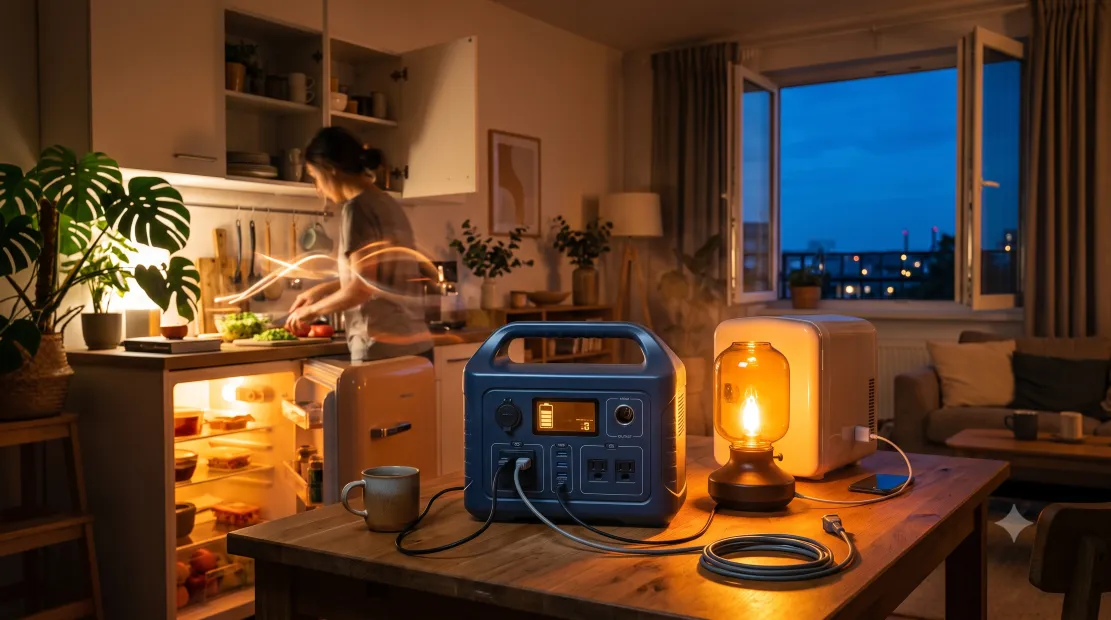
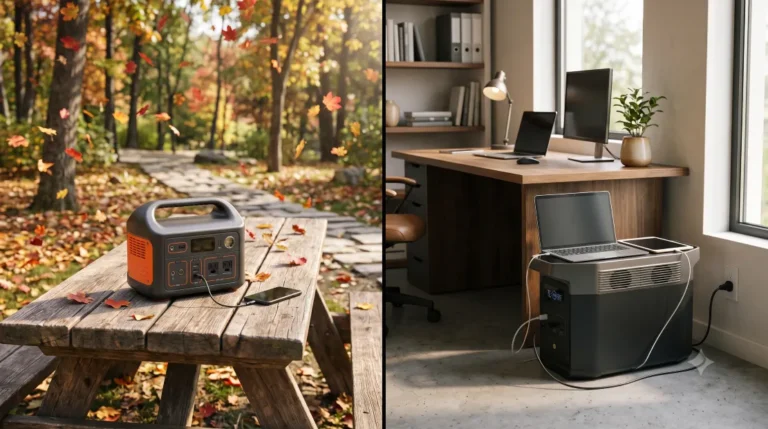
From a weekend campsite to an overnight blackout, the best unit is the one that matches your real use.
Which Should You Buy?
Bottom line
There is no universal winner, because EcoFlow and Bluetti optimize for different priorities. EcoFlow is the better choice if you want the fastest wall charging, the broadest port selection, and the most refined app experience, and you are willing to pay a premium for that polish. Bluetti is the better choice if you want the most stored energy for your money, you plan to lean on solar, or you want a unit that looks good sitting in your home.
For a typical household buying its first unit, a mid-size 1,000Wh LiFePO4 model from either brand is the sweet spot. Decide which single factor matters most to you — charging speed or price-per-watt-hour — and let that break the tie. Both brands will serve you reliably for years.
Frequently Asked Questions
Is EcoFlow or Bluetti better?
Neither is universally better. EcoFlow wins on charging speed, port selection, and app quality, while Bluetti wins on value-per-watt-hour and solar input. Pick based on which of those priorities matters most to you.
Which lasts longer, EcoFlow or Bluetti?
Lifespan depends on battery chemistry, not brand. Most current models from both use LiFePO4 cells rated for 3,000 or more cycles, which translates to roughly ten years of regular use. Confirm your specific model uses LiFePO4.
Which charges faster?
EcoFlow generally charges faster from a wall outlet thanks to its X-Stream technology, reaching a usable charge in well under two hours. Bluetti has narrowed the gap, and the difference matters less if you charge overnight or from solar.
Is Bluetti cheaper than EcoFlow?
Usually, yes. For a comparable capacity, Bluetti often costs less, which is why it is a favorite among value-focused buyers. EcoFlow’s premium buys faster charging and a more polished app, and it frequently goes on sale.
Can I use solar panels with both brands?
Yes. Both EcoFlow and Bluetti support solar charging. Bluetti models typically accept higher solar input, making them especially attractive for off-grid and solar-first setups.
Which is best for home backup during a power outage?
Both work well for essential-load backup. Choose EcoFlow if you want to top up quickly before a storm, or Bluetti if you want more stored energy per dollar. For whole-home, always-on backup, consider their expandable systems and consult an electrician.
Conclusion
EcoFlow and Bluetti are both excellent, and you genuinely cannot go wrong with either for everyday backup, camping, or off-grid power. The decision comes down to a single question: do you value the fastest charging and the most polished software, or do you value the most stored energy for your money and strong solar performance? Answer that, match it to the scenarios above, and the right portable power station becomes obvious. Whichever you choose, a quality LiFePO4 unit is one of the most useful upgrades you can make for a more resilient, electrified home.
ADeeL A.M
ADeeL A.M is a home energy and clean solar power writer with a deep passion for the electrified home. He spends his days researching solar panels, battery backup systems, EV chargers, portable power stations, and smart energy solutions — comparing specs, efficiency ratings, and real-world performance to bring readers the newest, most reliable, and best-value options on the market.
View all articles by ADeeL A.M →