Emporia EV Charger Review: Best Value?

Most home EV charger comparisons focus on ChargePoint and Tesla, but the Emporia EV Charger has built a loyal following for a simpler reason: it delivers genuinely solid Level 2 charging at a price that consistently undercuts the bigger names, without cutting corners on the specs that actually matter. This review covers real specs, build quality, app experience, installation requirements, and how it stacks up against pricier competitors — so you can decide whether “best value” is more than just a marketing line for this particular charger.
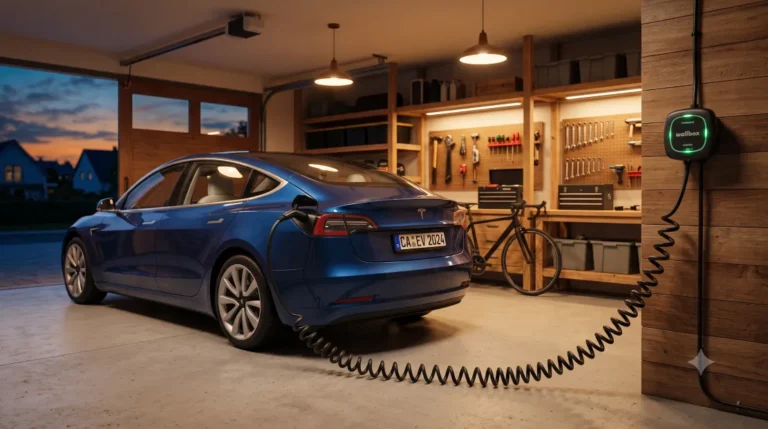
The Emporia EV Charger has become a popular budget-friendly Level 2 option.
⚡ Quick Answer
- Best for: budget-conscious buyers who still want smart, app-connected Level 2 charging with adjustable amperage.
- Standout feature: price — Emporia consistently costs less than ChargePoint or Tesla for comparable output and features.
- Output: up to 48 amps depending on model, competitive with pricier competitors.
- Tradeoff: smaller brand ecosystem and support network compared to more established competitors.
What Is Emporia, and Why the Low Price?
Emporia is better known in some circles for its home energy monitoring hardware before expanding into EV chargers, and that engineering background shows in how the charger integrates with real-time energy data. The company has positioned its charger lineup specifically around undercutting bigger, more heavily marketed competitors on price while still hitting the core specs — adjustable amperage, WiFi connectivity, app scheduling — that most buyers actually care about. The lower price isn’t primarily about cutting corners on build quality; it largely reflects a smaller marketing budget and a more direct-to-consumer sales approach compared to companies that spend heavily on brand advertising.
Key Specifications
| Spec | Emporia EV Charger |
|---|---|
| Maximum output | Up to 48 amps (adjustable), model-dependent |
| Connector type | J1772 (works with all non-Tesla EVs; Tesla via adapter) |
| Connectivity | WiFi, app-controlled scheduling |
| Installation | Hardwired or NEMA 14-50 plug-in versions available |
| Weatherproof rating | Outdoor-rated for garage or exterior mounting |
| Warranty | Typically 3 years |
On paper, these specs sit comfortably in line with the ChargePoint Home Flex and Tesla Wall Connector — adjustable amperage up to 48 amps covers the vast majority of home electrical setups, and the J1772 connector gives it universal compatibility with non-Tesla EVs, plus Tesla compatibility through a widely available adapter.
Build Quality and Design
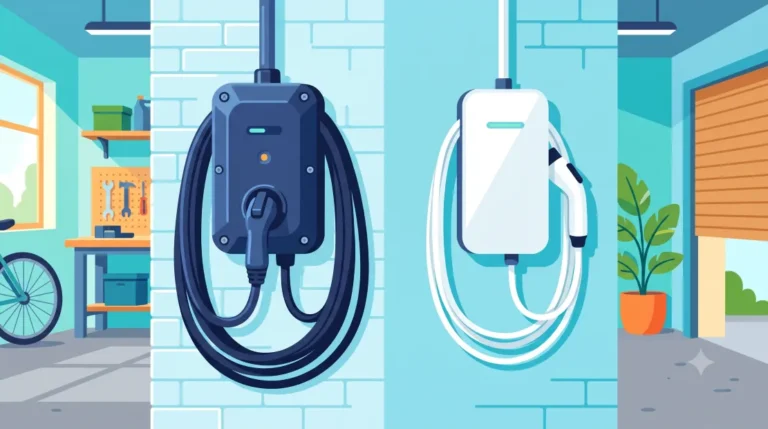
The Emporia charger uses a straightforward plastic enclosure that’s functional rather than showy — closer in spirit to the ChargePoint Home Flex’s utilitarian design than the Tesla Wall Connector’s minimalist aesthetic. It won’t win points for looking particularly sleek on a garage wall, but the housing is solidly weatherproofed for outdoor mounting, and the cable feels reasonably durable for regular daily use. For buyers who care more about function than form, this is a non-issue; for those who want their charger to look like a design object, the more expensive competitors still have an edge here.
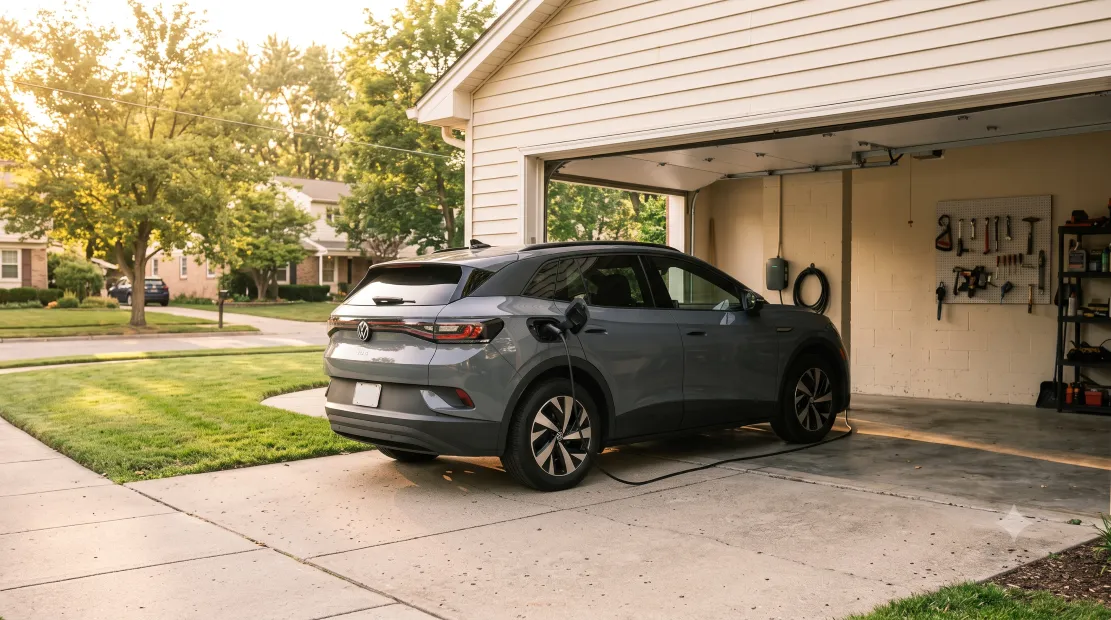
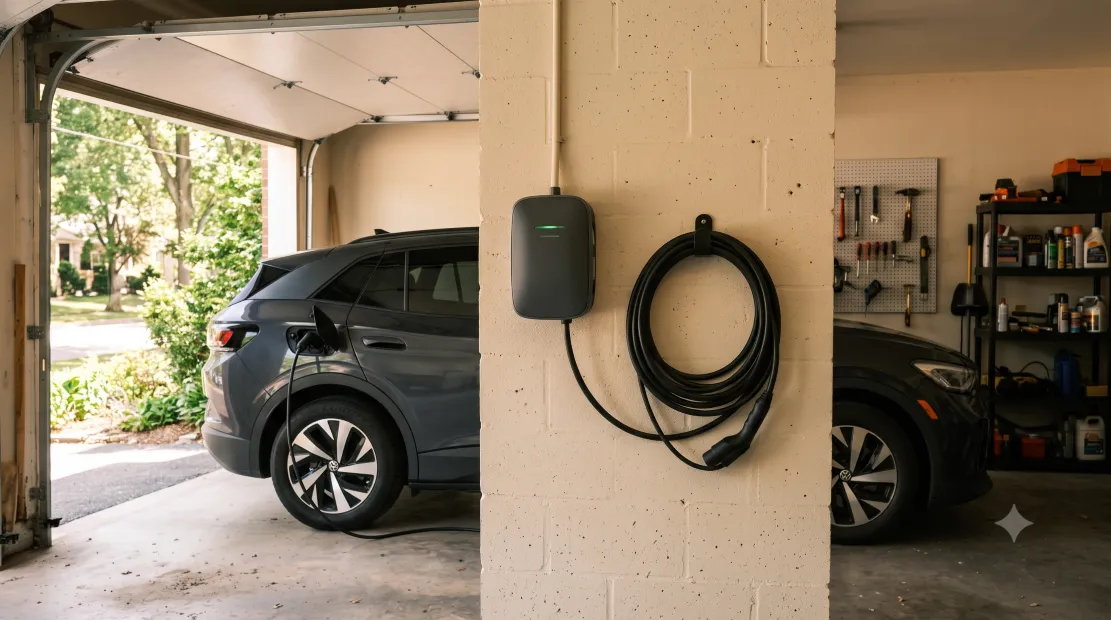
The Emporia charger prioritizes function over flashy design.
App Experience and Energy Monitoring
This is where Emporia’s background in home energy monitoring genuinely shows. The companion app supports scheduled charging for off-peak utility rates, remote start and stop, and — for households that also own Emporia’s home energy monitor hardware — deeper integration showing exactly how EV charging fits into overall home electricity usage. For buyers who care about granular energy data alongside their charging habits, this integration is a meaningful differentiator that neither ChargePoint nor Tesla directly replicates in the same way, since neither company’s core business centers on whole-home energy monitoring.
For buyers who don’t own or plan to buy Emporia’s energy monitor, the charger’s standalone app still covers the essentials competently — scheduling, remote control, and basic usage history — without the deeper energy-monitoring integration being wasted on functionality you can’t access.
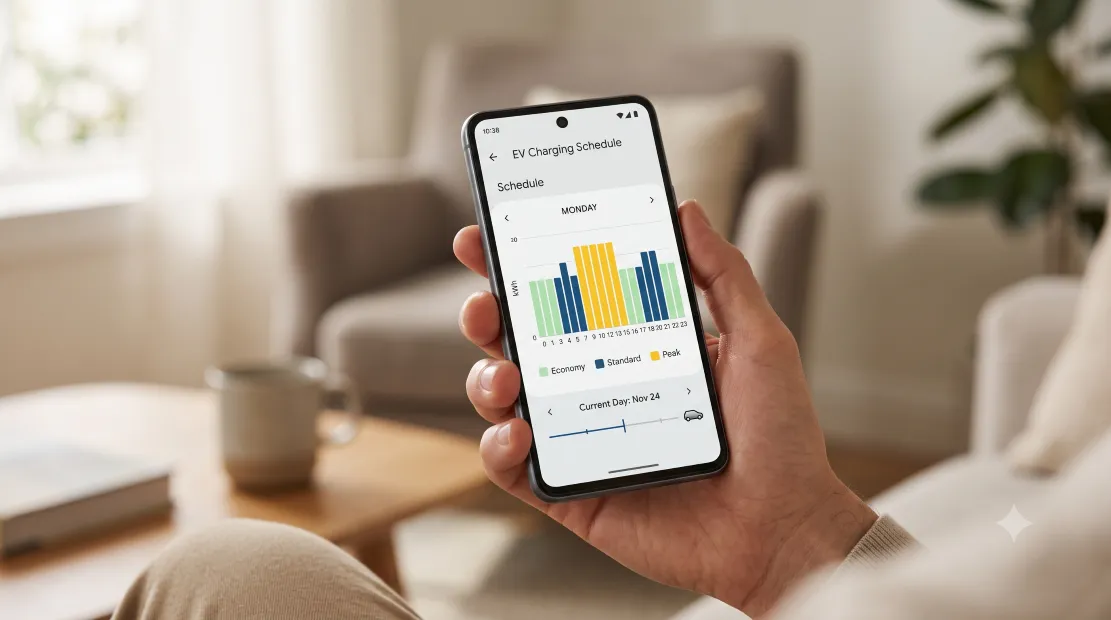
The app covers scheduling and remote control, with deeper energy insights for Emporia monitor owners.
Installation Requirements
Installation follows the same standard requirements as any other Level 2 charger: a dedicated 240V circuit, sized appropriately for the amperage you plan to run, installed by a licensed electrician. Emporia offers both hardwired and NEMA 14-50 plug-in versions, giving you the same flexibility that ChargePoint offers and a bit more than Tesla’s hardwire-focused Wall Connector. Installation cost itself is generally comparable to any other Level 2 charger, since labor cost depends far more on your home’s electrical panel and distance from the charger location than on which specific brand you choose.
How It Compares on Price
| Charger | Typical Hardware Price | Max Output |
|---|---|---|
| Emporia EV Charger | $300 – $450 | Up to 48A |
| ChargePoint Home Flex | $400 – $550 | Up to 50A |
| Tesla Wall Connector | $400 – $475 | Up to 48A |
The price gap between Emporia and its more established competitors is real but not enormous — typically $100 to $150 less for comparable output. For a single charger purchase, that’s a modest but noticeable saving; for anyone installing multiple chargers, such as a household with two EVs or a small multi-unit property, the savings scale up correspondingly and become more meaningful.
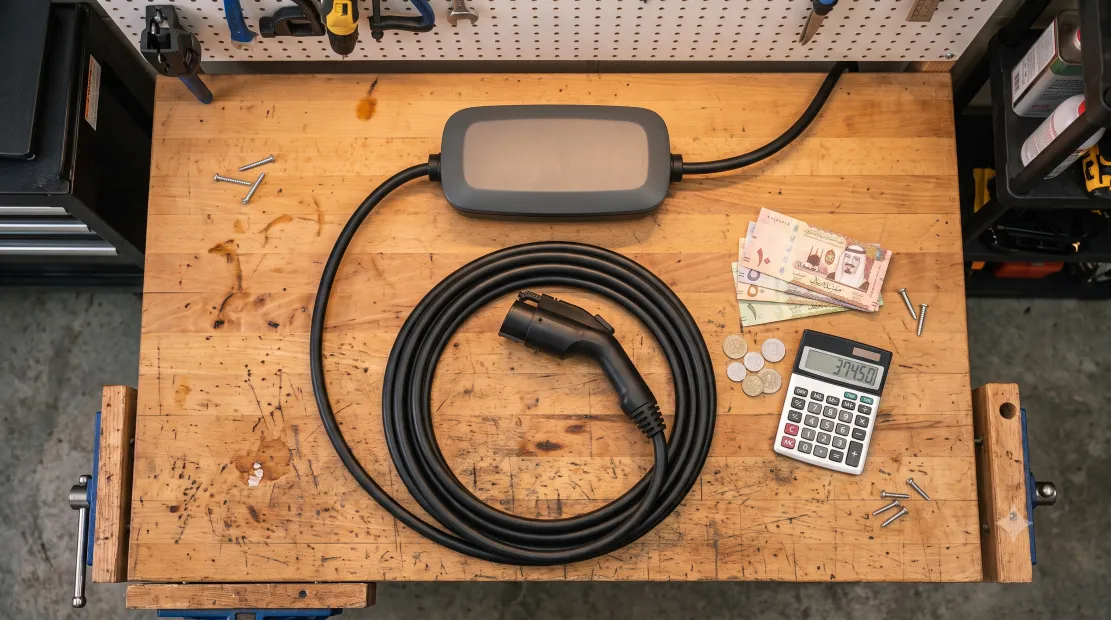
Emporia consistently prices below ChargePoint and Tesla for comparable specs.
What You Give Up for the Lower Price
The honest tradeoffs are less about hardware capability and more about brand ecosystem and support scale. ChargePoint benefits from a massive public charging network that ties into the same app as its home chargers, and Tesla benefits from deep vehicle integration for its own cars. Emporia doesn’t have either of those ecosystem advantages — it’s a standalone home charging product without a broader public network or vehicle-brand tie-in. Customer support responsiveness and long-term company track record are also harder to evaluate for a smaller, newer competitor compared to companies with many more years and a larger installed base in the category.
Compatibility and Multi-EV Households
Like the ChargePoint Home Flex, Emporia’s J1772 connector works with every non-Tesla EV on the market and connects to Tesla vehicles via a widely available J1772-to-Tesla adapter. This makes it a safe, flexible choice for households with more than one EV or households that don’t know what brand their next vehicle will be — the same practical compatibility advantage that makes ChargePoint appealing, at a lower price point.
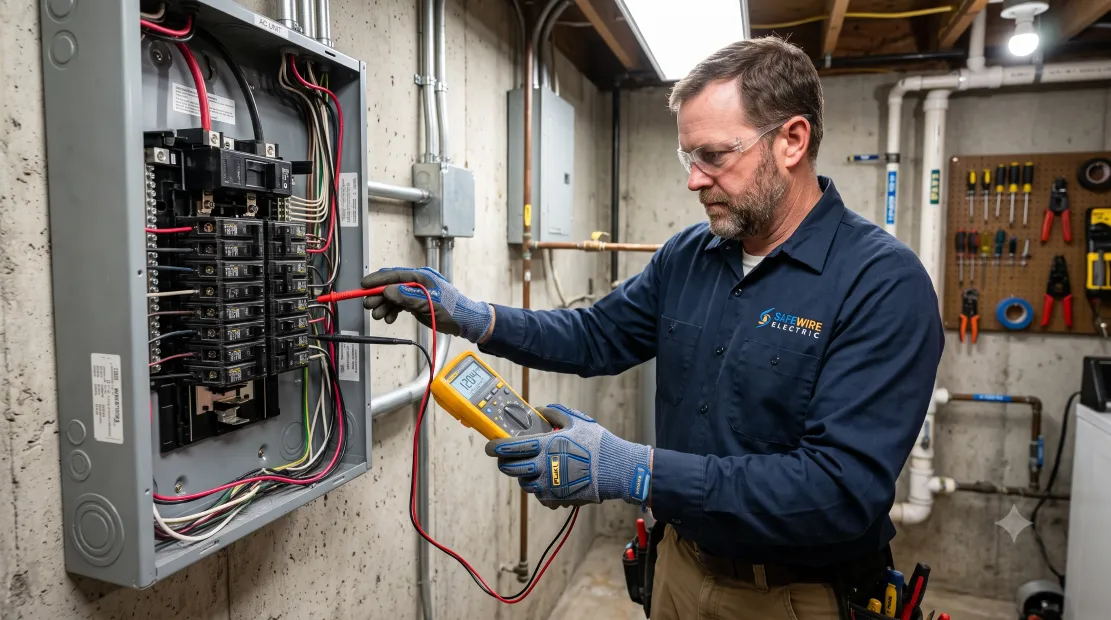
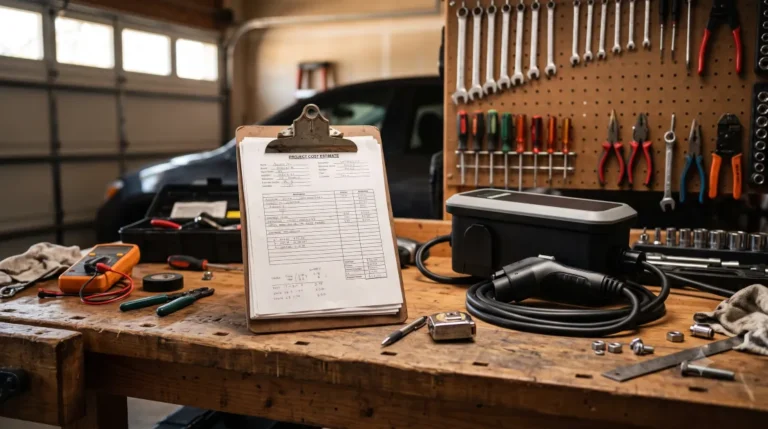
Professional installation and circuit testing matter regardless of which charger brand you choose.
Warranty and Long-Term Reliability
Emporia typically backs its charger with a warranty in the 3-year range, shorter than Tesla’s 4-year coverage on the Wall Connector but in line with or close to ChargePoint’s typical warranty terms. Because Emporia is a newer entrant to the EV charger category specifically, there’s less multi-year owner data available to assess long-term reliability compared to the more established track records of ChargePoint and Tesla, which is a reasonable consideration for buyers who weigh long-term proven reliability heavily in a purchase decision.
Sizing the Right Amperage for Your Panel
Emporia’s adjustable amperage models mirror the flexibility ChargePoint offers, letting a single unit be configured for anywhere from a modest 16-amp circuit up to a full 48-amp setup depending on what your home’s electrical panel can support. This matters because it means you don’t have to buy a specific model tied to a specific amperage and hope it matches your panel — you can install the charger, have your electrician configure the appropriate amperage for your circuit, and adjust it later through the app if you upgrade your panel down the road without needing to replace the charger itself.
Rebate and Incentive Eligibility
One consideration that sometimes gets overlooked when comparing budget chargers to bigger brands is rebate eligibility. Many utility and state incentive programs maintain approved equipment lists, and it’s worth confirming your specific Emporia model qualifies for any rebate program in your area before assuming the savings will apply — this isn’t unique to Emporia, but smaller brands with a shorter track record sometimes take longer to appear on newly updated approved lists compared to more established competitors. Checking your local utility’s current qualified equipment list before purchasing, rather than assuming any WiFi-connected smart charger automatically qualifies, is a worthwhile five-minute step that can meaningfully affect your real net cost either way.
Firmware Updates and Ongoing Support
Like ChargePoint and Tesla, Emporia delivers firmware updates over the air through the app, which has steadily added features and refined charging behavior on existing hardware since launch. Because the company is newer to the EV charger category specifically, the pace and long-term consistency of these updates is harder to project with confidence compared to companies with many more years of update history in this specific product category — though nothing in Emporia’s track record so far suggests a lapse in support, and the company’s broader energy-monitoring product line suggests an established software engineering team behind the app rather than a one-off hardware project.
Real Owner Feedback Patterns
Across owner reviews, the most consistent praise for the Emporia charger centers on straightforward installation, reliable day-to-day charging performance, and the app’s clean, uncluttered interface compared to some competitors’ more feature-dense but occasionally overwhelming apps. The most consistent criticism tends to focus on the smaller support team’s response times compared to larger competitors, and the more limited public brand recognition, which occasionally makes troubleshooting via community forums slightly less robust simply due to a smaller total installed base sharing solutions online.
Who Should Buy the Emporia EV Charger?
If your priority is getting solid, adjustable Level 2 charging with smart scheduling at the lowest reasonable price, and you don’t need a public charging network tie-in or Tesla-specific vehicle integration, the Emporia charger is a genuinely sound value pick that doesn’t meaningfully compromise on the specs that matter for daily home charging. It’s an especially strong fit for households already invested in or interested in Emporia’s home energy monitoring ecosystem, where the combined data picture adds real value beyond either product alone.
If brand ecosystem, a longer proven track record, or the specific advantages of ChargePoint’s public network or Tesla’s vehicle integration matter more to you than saving $100-150, the more established competitors remain reasonable choices — but for buyers focused purely on getting reliable Level 2 charging without paying a premium for brand recognition, Emporia earns its “best value” reputation.
Frequently Asked Questions
Is the Emporia EV Charger as good as ChargePoint or Tesla?
On core specifications — output power, connector compatibility, app scheduling — Emporia is genuinely competitive with both. The main tradeoffs are a smaller brand ecosystem and less long-term owner data, not a meaningful gap in charging performance.
Can the Emporia charger work with a Tesla?
Yes, using the J1772-to-Tesla adapter that ships with most Tesla vehicles, the Emporia charger works the same way any other J1772-compatible Level 2 charger would with a Tesla.
Do I need Emporia’s home energy monitor to use the charger?
No, the charger works as a fully standalone product with its own app for scheduling and remote control. The energy monitor adds deeper integrated data for households that also own it, but it isn’t required.
Is the Emporia charger hardwired or plug-in?
Both options are available depending on the specific model, giving you the flexibility to choose a hardwired installation or a NEMA 14-50 plug-in setup based on your home’s existing electrical situation.
How much can I actually save by choosing Emporia over ChargePoint or Tesla?
Typically $100 to $150 on hardware cost for comparable output, with installation labor cost generally similar regardless of charger brand. The savings scale up for households installing more than one charger.
ADeeL A.M
ADeeL A.M is a home energy and clean solar power writer with a deep passion for the electrified home. He spends his days researching solar panels, battery backup systems, EV chargers, portable power stations, and smart energy solutions — comparing specs, efficiency ratings, and real-world performance to bring readers the newest, most reliable, and best-value options on the market.
View all articles by ADeeL A.M →