How to Lower Your Electric Bill: 15 Proven Ways
Electricity bills creep up quietly — a few extra hours running the AC here, an older water heater there — until the monthly total feels harder to explain than it should. The good news is that most of the biggest savings don’t require a major renovation or a new appliance budget. They come from a handful of habits, small fixes, and smarter scheduling that add up over a year. This guide walks through 15 proven ways to lower your electric bill, roughly ordered from the easiest, lowest-cost changes to the ones that need a bit more upfront investment but pay off over time.

Small, consistent changes across a home add up to meaningful savings over a year.
⚡ Quick Answer
- Easiest wins: programmable thermostats, LED bulbs, and unplugging standby electronics — often 5-15% combined savings with little to no upfront cost.
- Biggest single-appliance impact: heating and cooling, which typically account for the largest share of a home’s electricity use.
- Best medium-investment move: sealing air leaks and adding insulation, which reduces the workload on your HVAC system year-round.
- Best long-term move: shifting usage to off-peak hours if your utility offers time-of-use rates, plus considering solar if your home and climate are a good fit.
1. Adjust Your Thermostat Strategically
Heating and cooling typically make up the largest single share of a home’s electricity use, which means small thermostat adjustments have an outsized effect on your bill. Setting your thermostat a few degrees higher in summer and lower in winter when you’re home, and further in either direction while you’re asleep or away, can meaningfully cut HVAC energy use without a noticeable comfort difference for most households. A programmable or smart thermostat automates this scheduling so you don’t have to remember to adjust it manually every day, and many smart models also learn your household’s patterns over time, fine-tuning the schedule further without any ongoing effort on your part.
2. Seal Air Leaks Around Your Home
Gaps around windows, doors, and electrical outlets let conditioned air escape and outside air in, forcing your HVAC system to work harder to maintain a comfortable temperature. Weatherstripping and caulk are inexpensive fixes that homeowners can typically handle themselves in an afternoon, and they reduce the workload on your heating and cooling system year-round — not just during extreme weather. A simple way to find the worst offenders is to feel around window and door frames on a windy day; noticeable drafts point directly to where sealing will have the most impact.
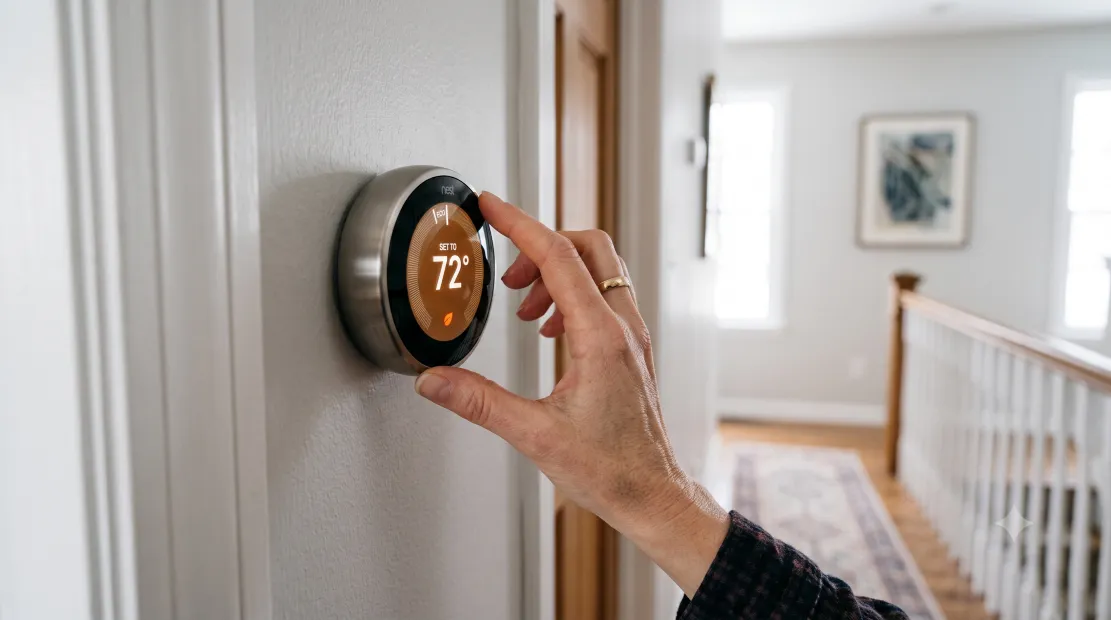
Thermostat scheduling is one of the easiest, lowest-cost ways to cut energy use.
3. Switch to LED Lighting
LED bulbs use roughly 75% less energy than traditional incandescent bulbs and last many times longer, which means both a lower electric bill and fewer bulb replacements over time. If your home still has incandescent or older fluorescent fixtures, replacing them with LEDs is one of the fastest-payback upgrades available — the bulbs typically pay for themselves in energy savings within the first year of use in a frequently-used fixture. Outdoor and hard-to-reach fixtures benefit especially, since the longer LED lifespan means far fewer trips up a ladder to replace a bulb.
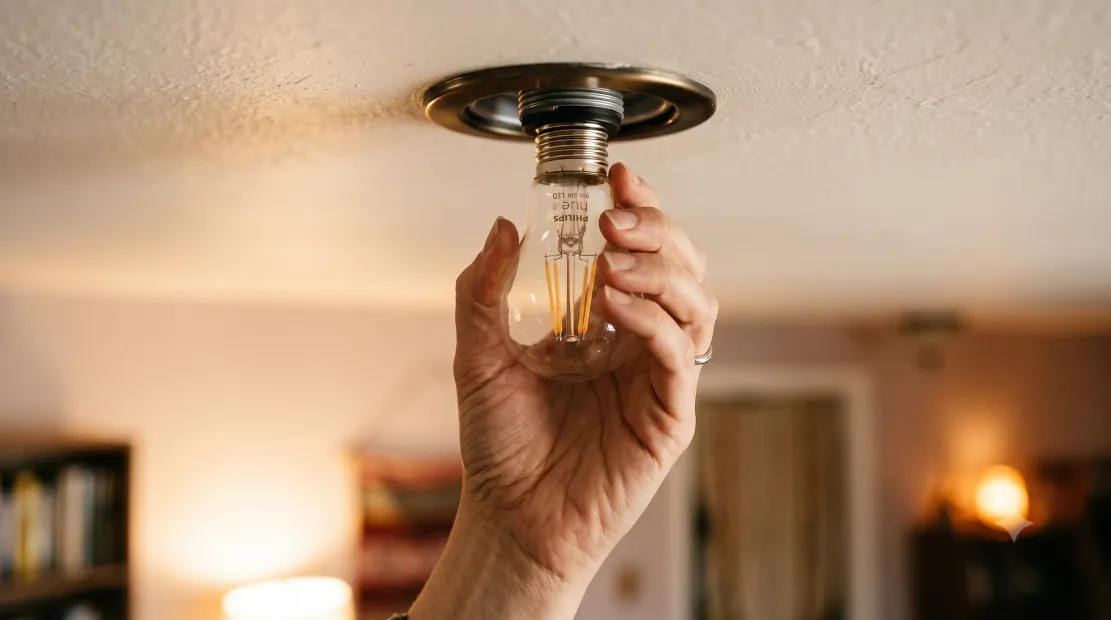
LED lighting delivers one of the fastest paybacks of any home energy upgrade.
4. Unplug Standby “Vampire” Electronics
Many devices continue drawing small amounts of power even when turned off but still plugged in — TVs, game consoles, phone chargers, and countertop appliances with digital clocks or standby modes all contribute to this “phantom load.” Individually small, these standby draws add up across a household with many devices, and a smart power strip that fully cuts power to inactive devices, or simply unplugging rarely-used electronics, can shave a noticeable amount off a monthly bill.
5. Maintain Your HVAC System
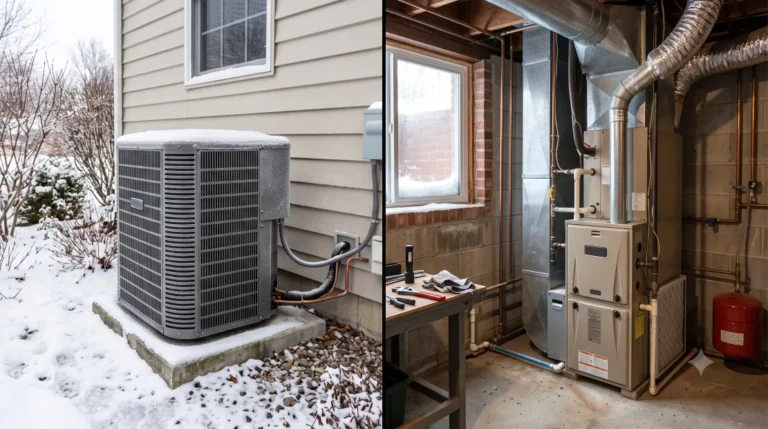
A neglected HVAC system works harder than it needs to, driving up energy use even when it’s otherwise functioning normally. Replacing air filters regularly, scheduling annual professional maintenance, and keeping outdoor condenser units clear of debris all help the system run at its intended efficiency rather than gradually losing performance and quietly costing more to operate.
6. Improve Home Insulation
Attic and wall insulation acts as a barrier that keeps conditioned air inside and outside temperatures from affecting your home’s interior as much, directly reducing how hard your HVAC system needs to work. Attics in particular are a common weak point in older homes, and adding or upgrading insulation there is often one of the higher-impact investments a homeowner can make for year-round energy savings, even though it requires more upfront cost than the changes above.
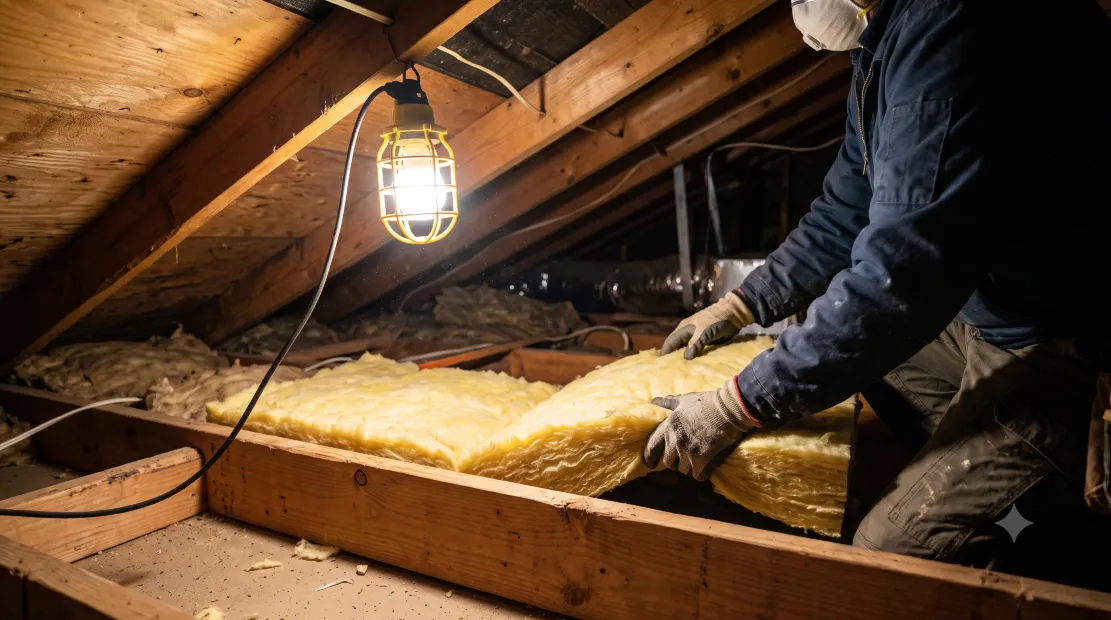
Insulation reduces the year-round workload on your heating and cooling system.
7. Use Ceiling Fans to Support Your HVAC
Ceiling fans don’t actually cool a room’s air temperature, but they create a wind-chill effect that makes a space feel several degrees cooler, letting you raise your thermostat setting in summer without losing comfort. In winter, reversing a ceiling fan’s direction to run clockwise on low speed gently pushes warm air that collects near the ceiling back down into the living space, supporting your heating system rather than fighting against it.
8. Wash Clothes in Cold Water
Most of the energy a washing machine uses goes toward heating water, not running the motor — switching to cold water for regular loads can cut a load’s energy use substantially while still cleaning clothes effectively for the vast majority of everyday laundry. Reserve hot water washes for genuinely soiled loads or specific fabric care needs rather than using it as a default setting.
9. Air-Dry When Practical
Clothes dryers are among the more energy-intensive standard household appliances, and air-drying even a portion of your laundry — whether on an indoor rack or an outdoor line where climate and space allow — reduces dryer runtime and the associated electricity cost. This doesn’t need to be an all-or-nothing habit; even air-drying a couple of loads a week adds up over a year.
10. Lower Your Water Heater Temperature
Many water heaters ship set to a default temperature higher than most households actually need. Lowering the setting to around 120°F (roughly 49°C) is generally sufficient for typical household use, reduces standby heat loss from the tank, and cuts the energy needed to maintain that temperature around the clock — all without a noticeable difference in shower comfort for most people.
11. Use Smart Power Strips for Entertainment Centers
Entertainment centers with a TV, sound system, streaming devices, and gaming consoles are a common concentration of standby power draw. A smart power strip can automatically cut power to peripheral devices when the main device (like a TV) is turned off, addressing the vampire-load problem from tip 4 in a more automated, set-it-and-forget-it way for the specific area of the home where these devices tend to cluster.
12. Run Major Appliances During Off-Peak Hours
If your utility offers time-of-use electricity rates, running major appliances like dishwashers, washing machines, and dryers during designated off-peak hours — typically late at night or early morning — can meaningfully reduce the cost of running them compared to peak afternoon or early-evening rates. Check your utility’s specific rate structure and off-peak windows, since they vary significantly by provider and region.
13. Keep Refrigerator and Freezer Coils Clean
Refrigerators run continuously, which makes their efficiency a bigger factor in your bill than appliances used only occasionally. Dust and debris accumulating on the condenser coils, usually located on the back or underneath the unit, force the compressor to work harder to maintain temperature. Vacuuming these coils every few months is a simple maintenance task that keeps the refrigerator running at its intended efficiency rather than gradually drawing more power as coils get dirtier.
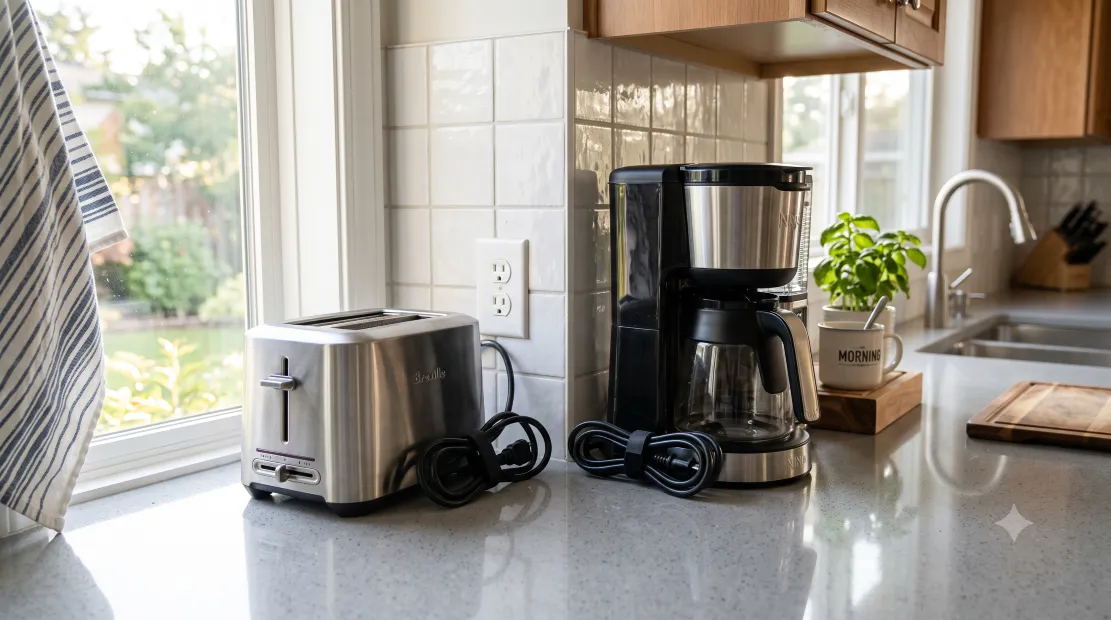
Standby power from unused appliances adds up more than most people expect.
14. Use Window Treatments to Manage Solar Heat
Direct sunlight through windows can significantly increase indoor temperatures in summer, forcing air conditioning to work harder. Blackout curtains, reflective window film, or simply closing blinds during the hottest part of the day on sun-facing windows can noticeably reduce cooling load. In winter, opening those same window treatments during sunny days lets passive solar heat help warm the home, reducing heating system workload in the opposite direction.
15. Consider Solar Panels for Long-Term Savings
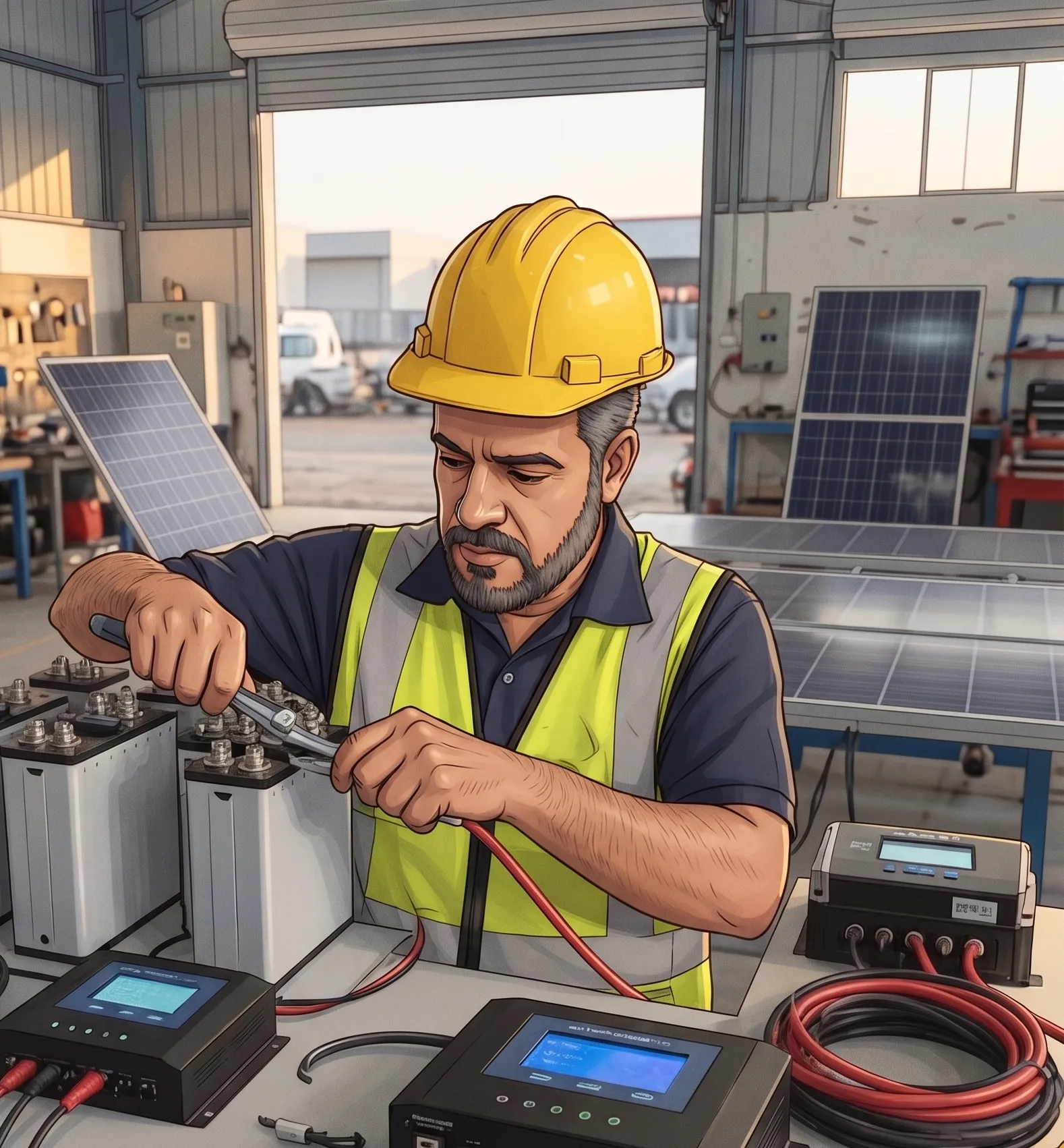
For homeowners planning to stay in their home for several years, with good roof sun exposure and reasonably high local electricity rates, rooftop solar can meaningfully reduce or in some cases largely eliminate a monthly electric bill over the system’s lifespan. This is a larger upfront decision than the other tips on this list, and the real financial case depends on your specific electricity rate, roof conditions, and available incentives — but for the right home, it represents the single largest potential long-term reduction in electricity cost on this entire list. Running your own payback calculation using your actual electricity usage and local rates, rather than relying on a generic sales estimate, is the best way to know whether solar makes sense for your specific situation.
Which Changes Should You Start With?
If you’re not sure where to begin, start with the no-cost and low-cost changes: thermostat scheduling, unplugging standby electronics, switching to LED bulbs, and washing clothes in cold water. These require little to no upfront spending and can be implemented in a single weekend. From there, move to medium-investment changes like sealing air leaks and HVAC maintenance, which pay for themselves relatively quickly through reduced monthly bills. Reserve larger investments like insulation upgrades and solar panels for once you’ve confirmed the smaller changes are already in place, since a well-sealed, well-maintained home gets more value out of a larger investment than one still leaking energy through drafts and neglected equipment. Tracking your electric bill month to month as you implement these changes also helps you see which specific habits are making the biggest difference in your particular home, since the relative impact of each tip varies by climate, home age, and household size.
Frequently Asked Questions
What uses the most electricity in a typical home?
Heating and cooling typically account for the largest single share of a home’s electricity use, followed by water heating, and major appliances like refrigerators, washers, and dryers. This is why thermostat management and HVAC maintenance tend to offer the biggest impact for the effort involved.
How much can I realistically save by making these changes?
Savings vary by home and climate, but combining several of the no-cost and low-cost changes on this list — thermostat scheduling, LED bulbs, unplugging standby electronics — often produces a meaningful percentage reduction in a monthly bill without any significant upfront investment.
Is it worth replacing all my incandescent bulbs with LEDs at once?
For frequently-used fixtures, yes — the energy savings typically recoup the bulb cost within the first year of regular use. For rarely-used fixtures, the payback takes longer, so prioritizing your most-used lights first is a reasonable approach if you’re replacing bulbs gradually rather than all at once.
Do smart thermostats actually save money, or is it just the habit that matters?
Both factors contribute. A smart thermostat automates the scheduling that many people intend to do manually but don’t consistently follow through on, which is often where the real savings come from — consistency rather than the thermostat’s intelligence alone.
Should I do these changes myself or hire a professional?
Most of the changes on this list — thermostat adjustments, LED bulbs, unplugging electronics, cold-water washing, weatherstripping — are straightforward DIY tasks. Insulation upgrades and any electrical work are generally better handled by a qualified professional to ensure safety and proper installation.
ADeeL A.M
ADeeL A.M is a home energy and clean solar power writer with a deep passion for the electrified home. He spends his days researching solar panels, battery backup systems, EV chargers, portable power stations, and smart energy solutions — comparing specs, efficiency ratings, and real-world performance to bring readers the newest, most reliable, and best-value options on the market.
View all articles by ADeeL A.M →