How Much Do Solar Panels Cost?
Solar panel pricing gets thrown around in confusing ways — a per-watt figure here, a “free after incentives” claim there, a total system price that may or may not include installation. This guide breaks the real cost of solar down into its actual components: cost per watt, typical total system pricing by size, what installation labor actually includes, the extra costs that catch homeowners off guard, and how tax credits and financing change the real number you’ll pay. By the end, you should be able to look at any quote and know exactly what you’re paying for and whether it’s reasonable.
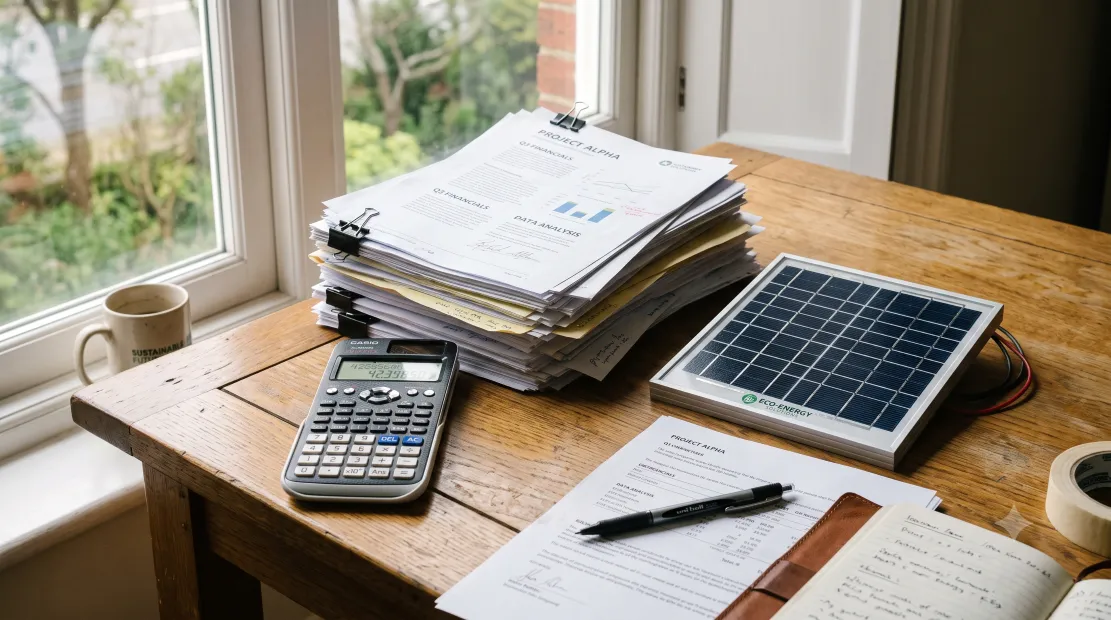
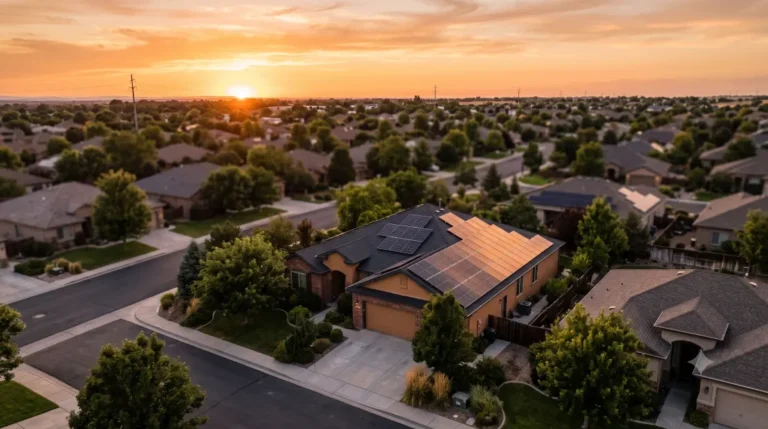
Solar cost breaks down into hardware, labor, permits, and often-overlooked extras.
⚡ Quick Answer
- Typical cost per watt: $2.50 to $3.50 before incentives, varying by region and equipment quality.
- Typical total system cost: $15,000 to $25,000 before incentives for a standard residential system.
- After federal tax credit: effective cost is often reduced by a meaningful percentage for qualifying households.
- Biggest hidden cost risk: roof repairs or electrical panel upgrades discovered during the installation process.
Understanding Cost Per Watt
Solar pricing is most commonly expressed as a cost per watt of system capacity, typically ranging from $2.50 to $3.50 per watt before any incentives, depending on your region, the specific equipment chosen, and the installer’s pricing structure. This figure includes both the hardware and the labor to install it, which is why it’s a more useful comparison tool between quotes than a flat total dollar amount — a larger home naturally needs a bigger system and a higher total price, but the cost per watt lets you compare efficiency of pricing regardless of system size.
A typical residential system sized to cover a substantial share of an average home’s electricity use runs somewhere between 6 and 10 kilowatts of capacity, which at $2.50-$3.50 per watt translates to a total cost in the $15,000 to $35,000 range before incentives, with most homes landing in the $15,000-$25,000 band for a standard-sized system.
| System Size | Estimated Cost Before Incentives | Typical Home Fit |
|---|---|---|
| 4 kW | $10,000 – $14,000 | Small home, low electricity use |
| 6 kW | $15,000 – $21,000 | Average-sized home |
| 8 kW | $20,000 – $28,000 | Larger home or higher electricity use |
| 10 kW | $25,000 – $35,000 | Large home, high consumption, or added EV charging |
What’s Actually Included in the Price
A typical solar quote bundles together several distinct cost components: the solar panels themselves, the inverter (which converts the panels’ DC output into usable AC power), mounting hardware and racking, wiring and electrical components, and the labor to design and install the entire system. Permit fees and the cost of connecting to your utility’s grid, sometimes called interconnection, are usually included as well, though it’s worth confirming this explicitly rather than assuming, since some lower quotes exclude these costs and add them later as a surprise.
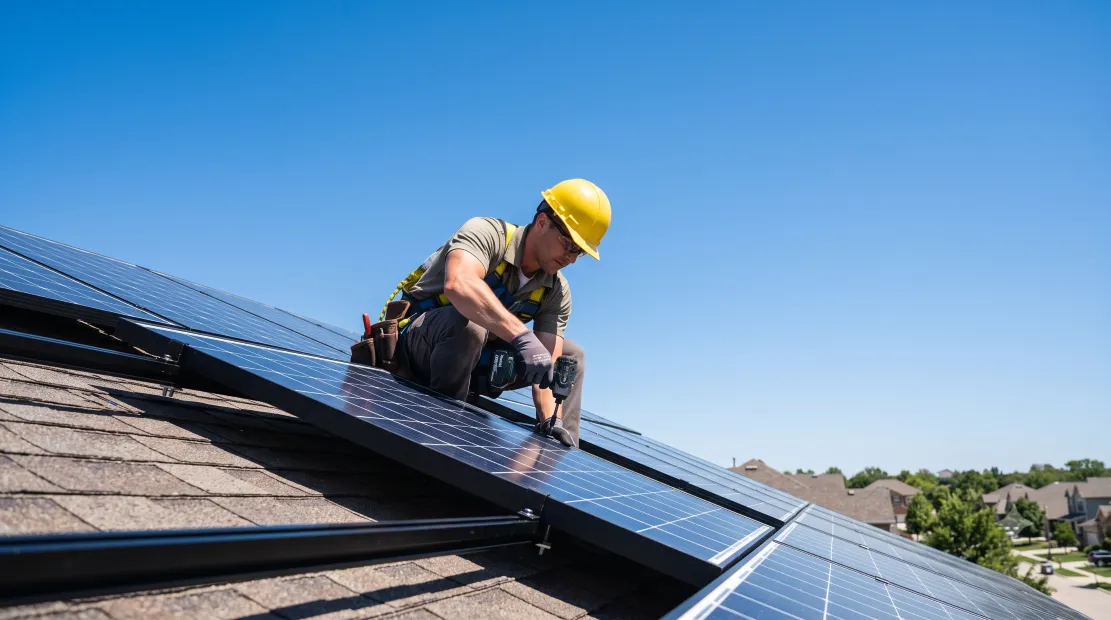
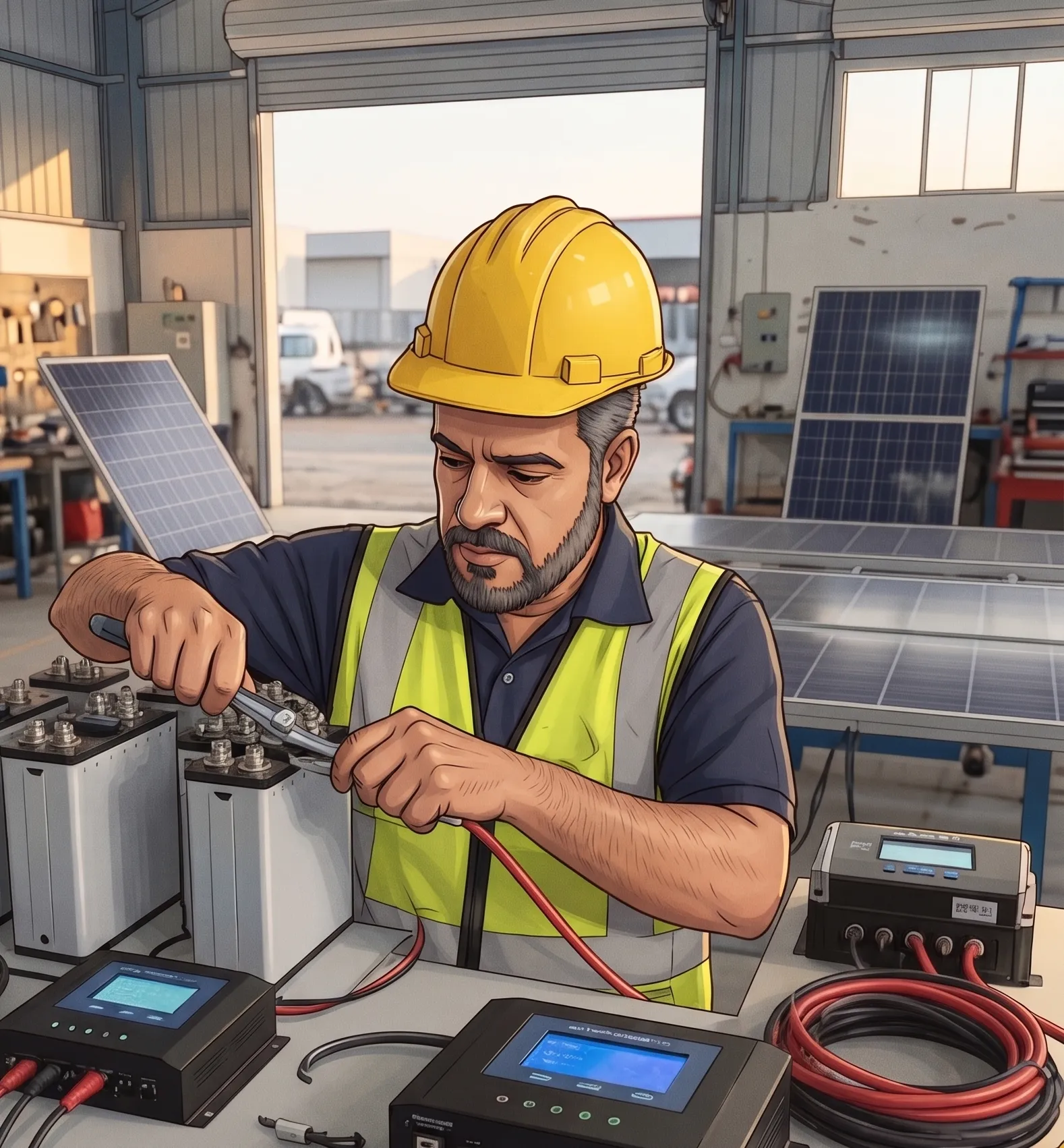
Installation labor and racking hardware make up a significant share of total system cost.
Panel Quality and Brand: Why Prices Vary
Not all solar panels are priced the same, and the difference generally comes down to efficiency and manufacturer reputation. Premium panels with higher efficiency ratings and longer warranties command a price premium, sometimes 15-25% above budget-tier panels, but they also produce more electricity per square foot of roof space, which matters most for homes with limited roof area relative to their electricity needs. For homes with plenty of available roof space, budget-tier panels can be a reasonable way to reduce total cost without meaningfully compromising the system’s overall output, since you can simply install more of them to reach the same total capacity.
Inverter Costs: String vs Microinverters
The inverter is a meaningful cost line item on its own, and the two main types come with different price and performance tradeoffs. String inverters, which convert power from an entire string of panels at once, are generally the less expensive option but mean that shading or a problem on one panel can reduce output from the whole string. Microinverters, installed on each individual panel, cost more upfront but optimize each panel’s output independently, which can meaningfully improve total system performance on roofs with partial shading or panels facing different directions. For fully unshaded, single-orientation roofs, the performance gap narrows, making the lower-cost string inverter the more cost-effective choice in that specific scenario.
Extra Costs That Catch Homeowners Off Guard
Beyond the core system price, several additional costs come up often enough to budget for proactively rather than being surprised by them mid-project. An aging roof may need repair or replacement before solar installation, since panels typically last 25+ years and installers are reluctant to mount a system on a roof that won’t last as long. Electrical panel upgrades, similar to what’s needed for EV chargers and home batteries, are sometimes required if your existing panel can’t accommodate the additional solar circuit. Tree trimming or removal to eliminate shading, and in some cases structural reinforcement for older roofs, round out the most common additional costs beyond the base system quote.
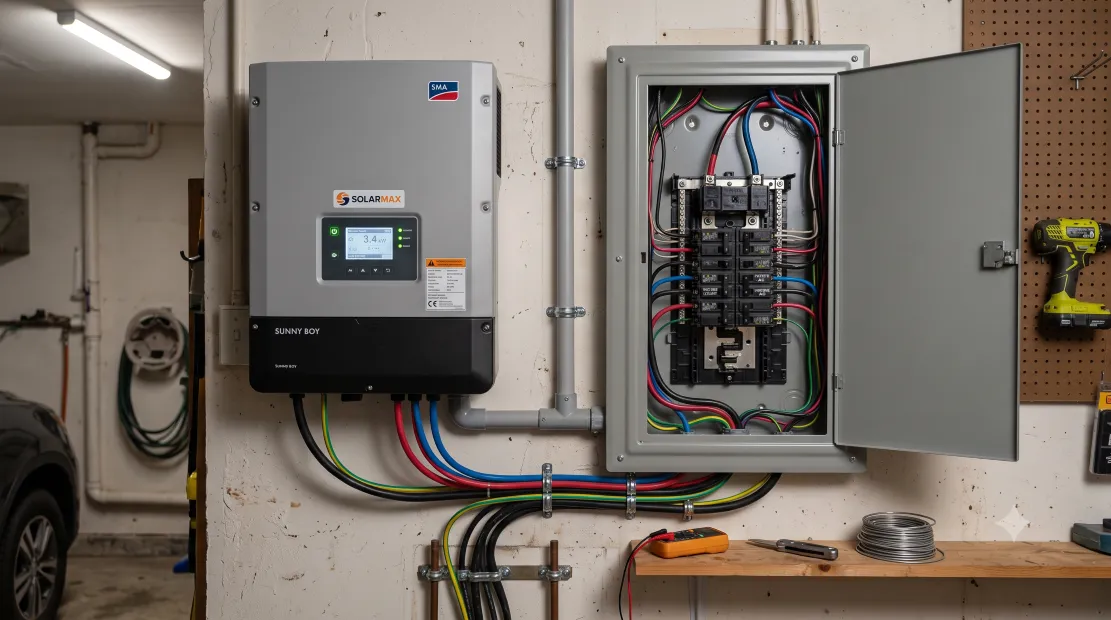
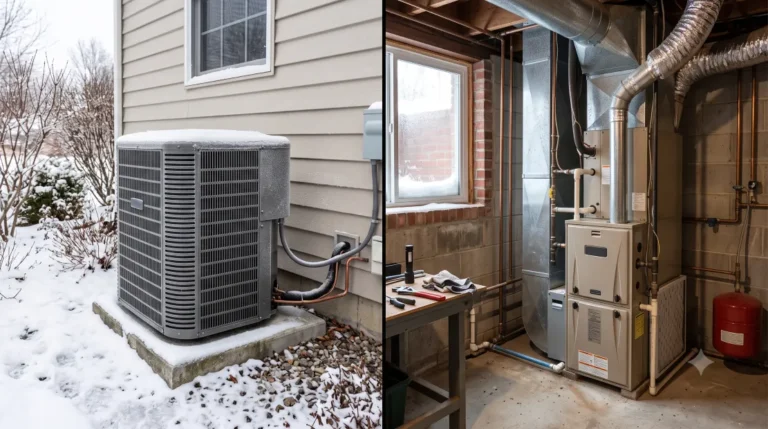
Electrical panel work is one of the most common sources of unexpected cost.
Maintenance Costs Over Time
Solar panels themselves require minimal ongoing maintenance, with most manufacturers warranting panel output for 25 years and physical upkeep limited to occasional cleaning in dusty climates and periodic visual inspection after severe weather. The inverter is the component most likely to need attention over a system’s lifetime — string inverters typically last 10-15 years and may need one replacement during a 25+ year system life, while microinverters distributed across individual panels tend to carry longer warranties but a higher per-unit replacement cost if one fails. Budgeting for one inverter replacement over the system’s lifespan is a reasonable and often overlooked part of an honest long-term cost picture, separate from the upfront installation price.
Monitoring and Software Costs
Most modern solar systems include a monitoring app or web dashboard as part of the base installation cost, letting you track real-time production, historical performance, and system health from a phone or computer without any additional subscription fee in most cases. Some installers offer premium monitoring tiers with more detailed analytics or extended data history for an optional additional cost, though the free tier included with most systems is generally sufficient for the average homeowner who just wants to confirm the system is performing as expected.
How Tax Credits and Incentives Lower the Real Cost
Federal tax credits have historically covered a significant percentage of total solar installation cost for qualifying households, directly reducing the effective price you pay after filing taxes for the year of installation. Many states, utilities, and municipalities add further rebates or performance-based incentives on top, particularly in regions actively encouraging solar adoption. Because these programs change over time and vary enormously by location, the only way to know your real effective cost is to check current program details for your specific area — a generic percentage discount claim from an installer’s marketing material should always be verified independently before you factor it into your budget.

Running your own cost-per-watt math helps you evaluate whether a quote is reasonable.
Cash Purchase vs Loan vs Lease: Cost Implications
How you pay changes your effective cost significantly. Paying cash avoids any interest cost, delivering the lowest total long-term cost, but requires the full amount upfront. A solar loan spreads payments over time with interest added, increasing total cost compared to cash but making the investment accessible without a large lump sum. A solar lease or power purchase agreement (PPA) requires little to no upfront cost, but you don’t own the system, generally don’t qualify for tax credits yourself, and typically end up paying more over the system’s lifetime than a cash or loan purchase would have cost — the tradeoff being minimal upfront financial commitment.
Regional Cost Variation
Solar installation costs vary meaningfully by region, driven primarily by differences in local labor rates and permitting complexity rather than the underlying hardware, which is priced fairly consistently nationwide. Areas with a higher cost of living and more complex permitting processes generally see higher installation costs for a comparable system, while regions with simpler permitting and lower labor costs tend to see somewhat lower total pricing. This regional variation is worth keeping in mind when comparing your own quotes against national average figures you might see referenced online.
Getting an Accurate Quote
Because so much of the final cost depends on your specific roof, electrical panel, and local labor market, getting quotes from at least three installers who each visit your property in person — rather than estimating from photos or a phone conversation — is the most reliable way to understand your real cost range. Ask each installer explicitly what’s included (permits, interconnection, roof or panel assessment) and what could add to the price later, so you’re comparing genuinely equivalent quotes rather than one that looks cheaper only because it’s omitting costs another installer included upfront. It’s also worth asking each installer to itemize their quote by component — panels, inverter, racking, labor, permits — rather than accepting a single bundled number, since itemized quotes make it far easier to spot where one installer’s pricing genuinely differs from another’s rather than just guessing at the reason for a price gap.

Comparing financing terms carefully is as important as comparing hardware and installation costs.
Is the Cost Worth It?
Cost alone doesn’t answer whether solar makes sense for your home — that depends on how the upfront cost compares to your electricity savings over time, which is a separate calculation involving your local electricity rate, your roof’s sun exposure, and how long you plan to stay in the home. What this guide gives you is an accurate picture of what you’re actually paying for and why quotes vary, so that when you do run your own payback calculation, you’re working with realistic cost numbers rather than a marketing figure that may not reflect your specific home.
Frequently Asked Questions
What is the average cost per watt for solar panels?
Most residential solar installations cost between $2.50 and $3.50 per watt before incentives, depending on region, panel quality, and installer pricing. This figure includes both hardware and installation labor.
Why do solar quotes vary so much between installers?
The biggest factors are panel and inverter quality, local labor rates, and whether extras like roof assessment, electrical panel work, and permitting are included in the base quote or priced separately. Comparing what’s actually included matters more than comparing the headline number alone.
Does the cost include the electrical panel upgrade if I need one?
Not always — this varies by installer and should be confirmed explicitly before signing a contract. A panel upgrade, when needed, typically adds $1,500 to $3,500 to the total project cost.
Is it cheaper to buy solar panels with cash or finance them?
Cash purchase avoids interest cost entirely, making it the lowest total-cost option over time. Financing through a loan spreads the cost out but adds interest, while leasing requires the least upfront money but generally costs more over the system’s lifetime and doesn’t qualify for tax credits.
How much does the federal tax credit actually save on solar cost?
The federal tax credit has historically covered a significant percentage of total installation cost for qualifying households, meaningfully reducing the effective price after filing taxes. Exact eligibility and percentage should be confirmed with current program details or a tax professional, since programs change over time.
ADeeL A.M
ADeeL A.M is a home energy and clean solar power writer with a deep passion for the electrified home. He spends his days researching solar panels, battery backup systems, EV chargers, portable power stations, and smart energy solutions — comparing specs, efficiency ratings, and real-world performance to bring readers the newest, most reliable, and best-value options on the market.
View all articles by ADeeL A.M →